
Engineered retaining walls that hold their line for decades.
Modular block, boulder, and poured-concrete walls — designed for Colorado soils and water.
Bad retaining walls fail spectacularly and expensively. Done right they're 50-year infrastructure.
Drainage, drainage, drainage.
The #1 reason retaining walls bulge, tip, or collapse is water pressure behind them. Hydrostatic pressure from saturated soil is enormous — much more than the soil itself.
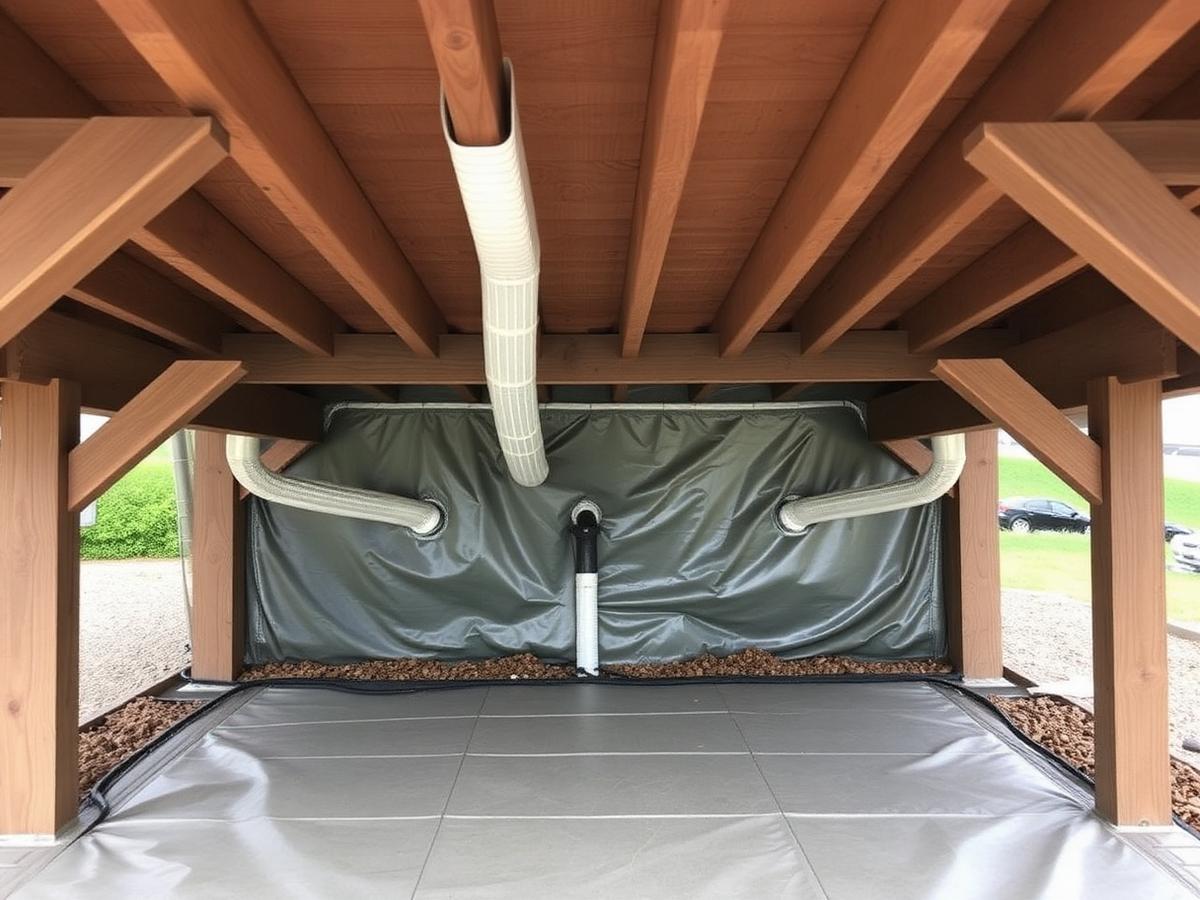
Every wall we build has perforated drain tile behind it, free-draining gravel backfill, and a clear daylight outlet for collected water.
Belgard, Allan Block, Techo-Bloc for walls up to 4 feet.
Modular block walls (segmental retaining walls) are the right answer for most residential applications under 4 feet. They install fast, look great, and stay put.
Above 4 feet we add geogrid reinforcement extending back into the slope, or move to engineered systems.
Native sandstone and granite for natural-looking grades.
For mountain-style and large-lot homes, dry-stacked boulder walls (typically 1–4 ton stones) give a natural look that integrates with the landscape.
We source from Colorado quarries and place with excavators. Looks like it's always been there.
For tall walls or high-load conditions.
Walls over 6 feet, walls supporting structures, or walls in problem soils call for engineered poured-concrete with rebar and stone veneer over the finished face.
More expensive but unquestionably the longest-lasting option.
Stamped engineering on tall walls.
Most Front Range jurisdictions require stamped engineering on walls over 4 feet (or sometimes 3 feet) of exposed face. We handle engineering and permits.
Engineered walls are also a real value at resale — buyers and inspectors know the difference.
Colorado's expansive clay matters.
Front Range soils often have high clay content that swells when wet and shrinks when dry. This matters enormously for wall design — backfill choices, drain placement, and reinforcement spacing all depend on it.
We design to the actual soil, not generic assumptions.
Walls do more than retain.
A wall can be a planter, a bench, an entry feature, or a stair. We design integrated combinations — stairs through a retaining grade, seat walls around a patio, planter walls along walkways.
Multipurpose walls add real value to outdoor living.
What retaining walls cost.
Modular block (under 4 ft): $50–$90 per face foot. Modular with geogrid (4–8 ft): $80–$140 per face foot. Boulder wall: $90–$180 per face foot. Engineered poured concrete with stone veneer: $150–$300+ per face foot.
All quotes include drainage, footing prep, and backfill.
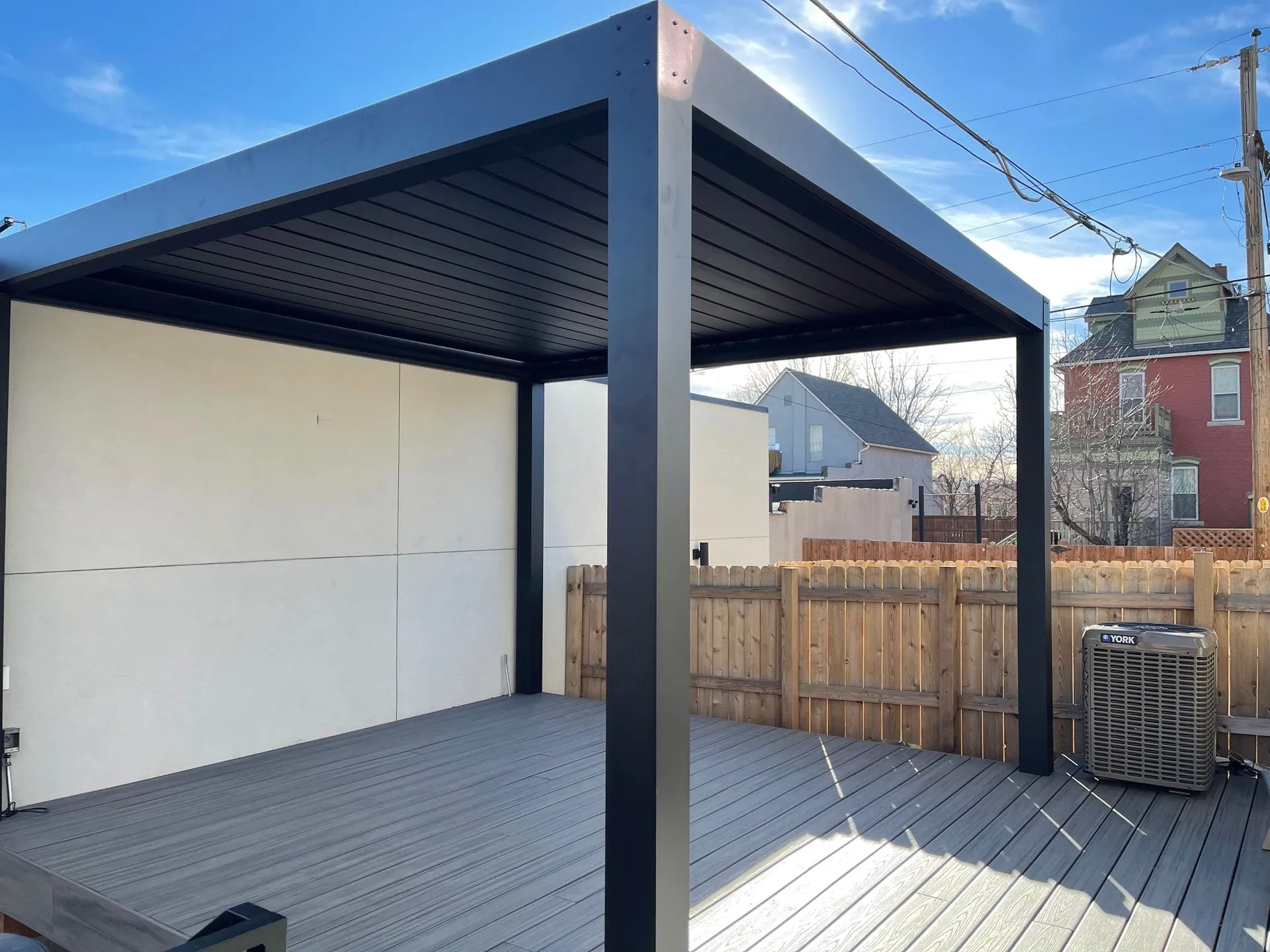
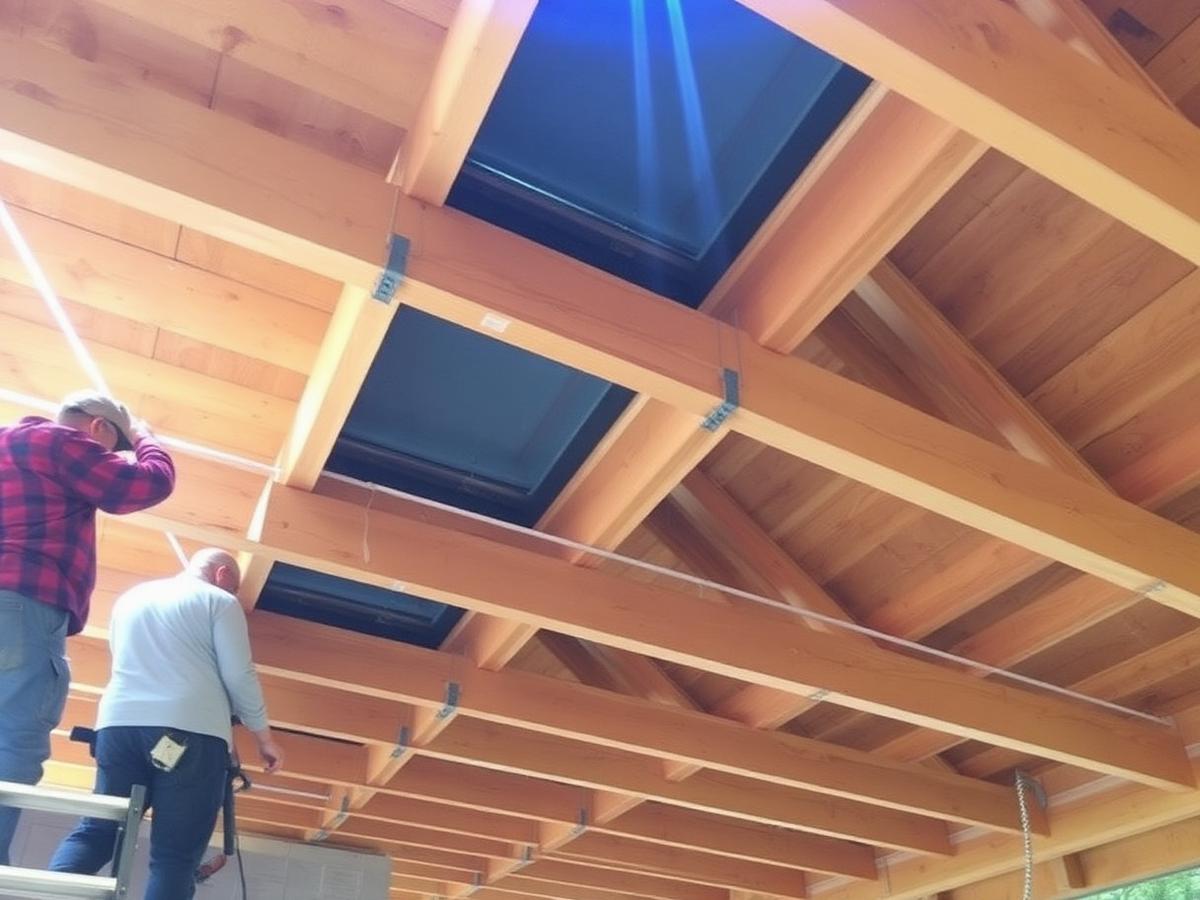
A look at the craft.
Answers before you ask.
Don't see your question? Call us or schedule a free site visit and we'll walk through it on your deck.
How long does a retaining wall last?
Engineered and properly drained, 50+ years. Bad ones fail in 5–10.
Do I need a permit?
Walls over 4 feet (sometimes 3) require permits in most Front Range jurisdictions.
Can you replace a failing wall?
Yes. We tear out, evaluate the slope, and rebuild correctly with proper drainage.
Often built together.
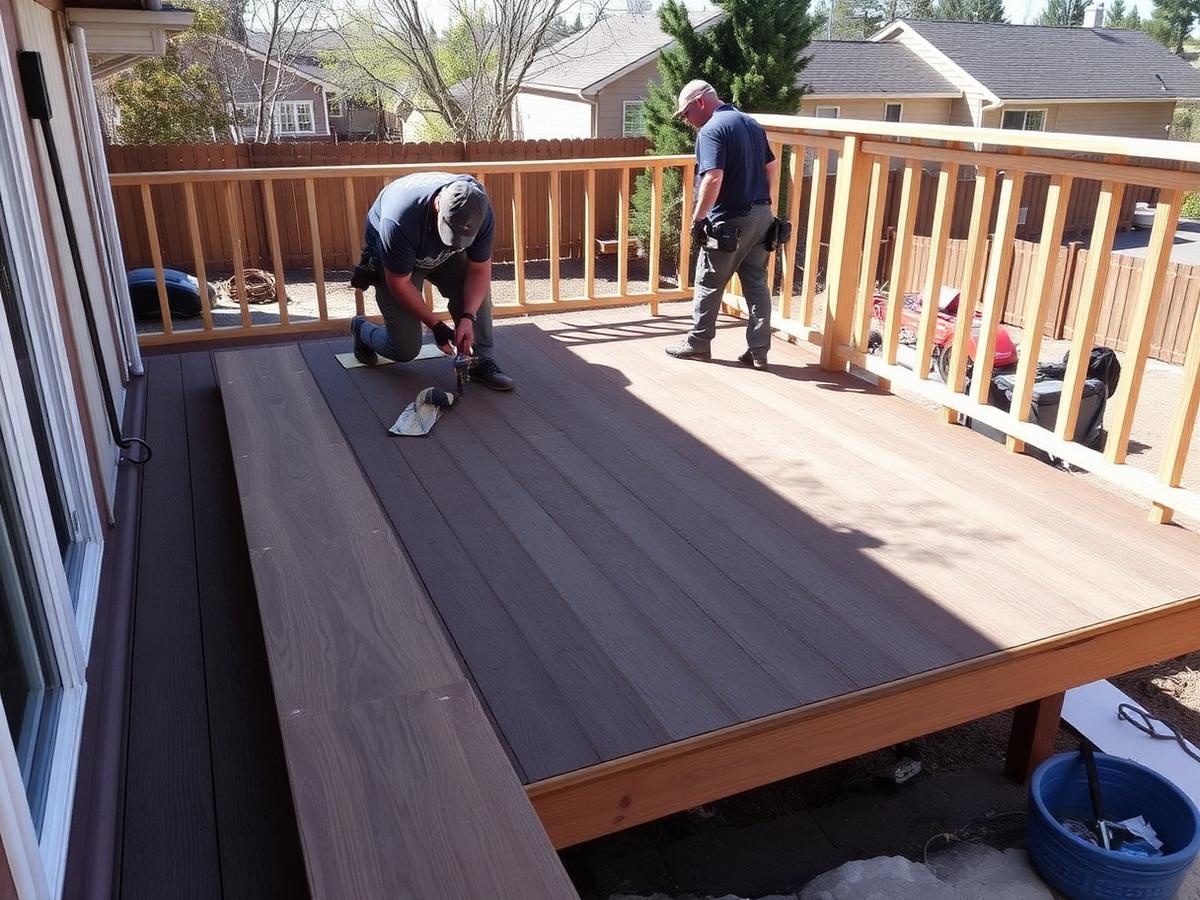
Deck Repair
Structural fixes, board replacement, and full-system rebuilds — done right the first time.
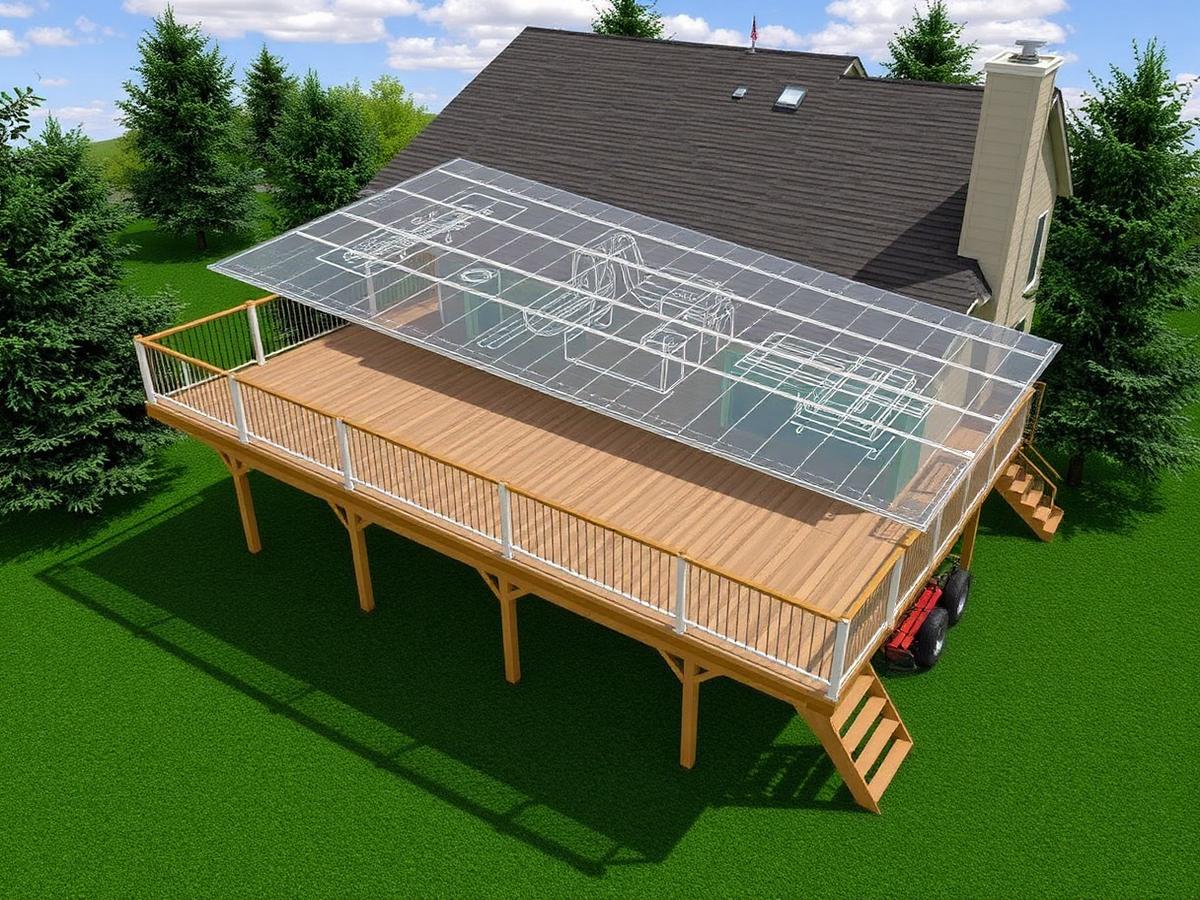
Custom Design & Build
Multi-level layouts, built-in seating, integrated lighting and shade — drawn, engineered, and built by one team.

Composite Decking
Trex, TimberTech, and Fiberon installed by Colorado's longest-running composite specialist.
Ready to make your deck safe again?
No pressure. No upsell BS. Just an honest look at your deck and what — if anything — it needs.
Monday–Friday, 8:00 AM – 5:00 PM
For emergencies, call any time and leave a message.
Pick your own date and time
We'll confirm within one business day and show up when we said we would.
Because your backyard deserves nothing less than the best.