Railings that hold up to Colorado wind and codes.
Cable, metal, glass, and wood railing systems engineered for our conditions.
Railing is where bad decks announce themselves first. We build railing systems that pass inspection and stay solid for decades.
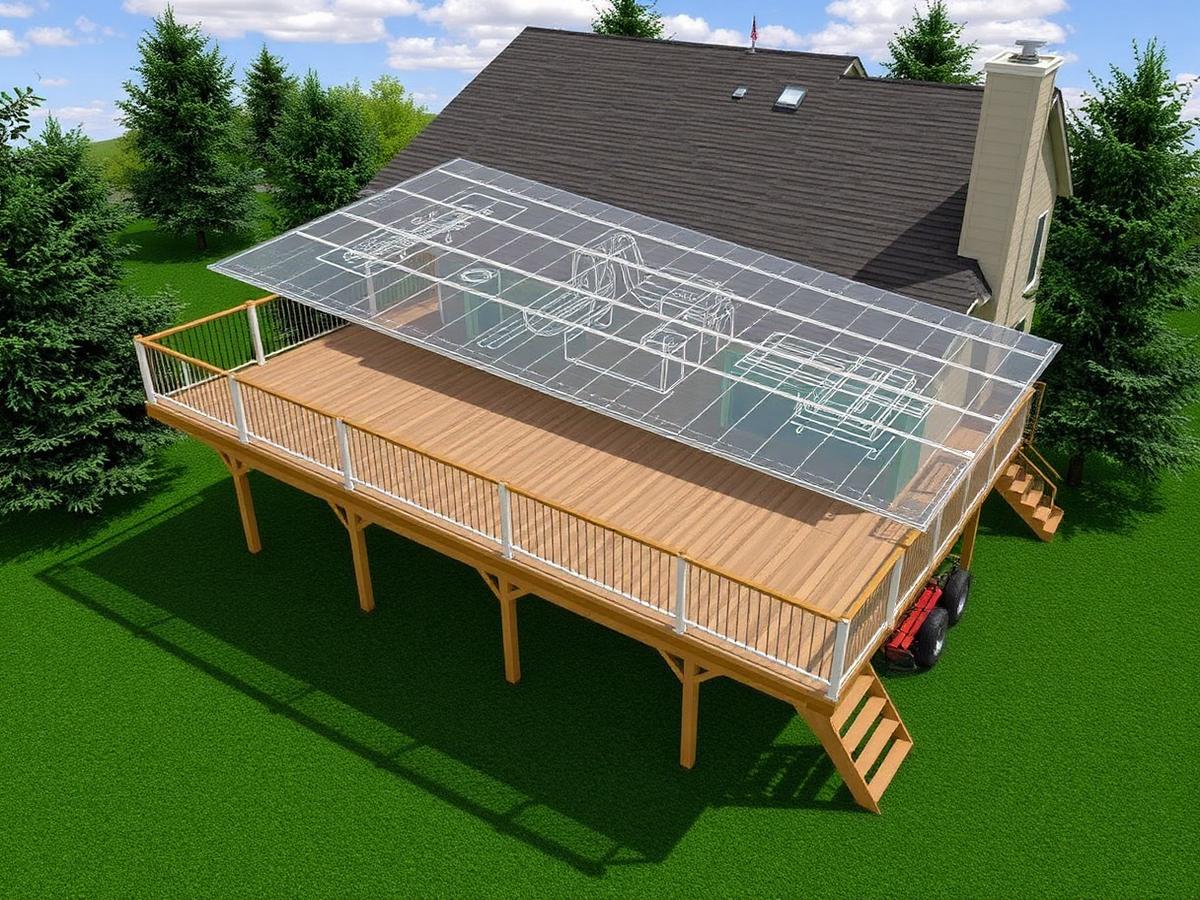
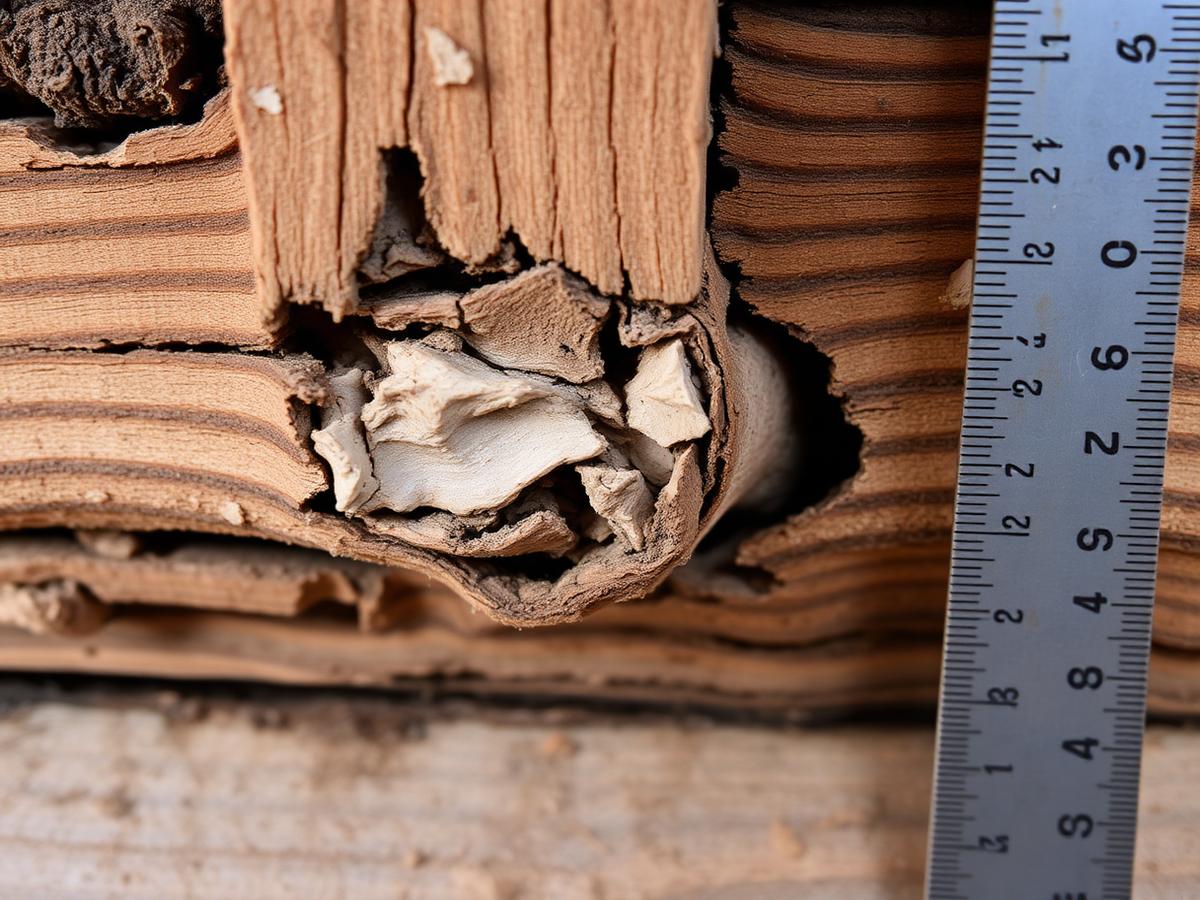
The post-to-rim connection.
95% of failed railings trace back to a single connection — the post bolted to the deck rim joist. If that connection is wrong, the railing will eventually let go, usually with someone leaning on it.
Modern code requires that connection to resist 200 pounds of horizontal force at the top of the post. Most pre-2010 railings were built nowhere close to that.
Stainless cable: maximum view, minimum maintenance.
Stainless steel cable railing has become the most-requested system on view properties — Genesee, Evergreen, Castle Pines, anywhere the view is the reason you bought the lot.
We install Feeney CableRail and Atlantis Rail systems. Both come with stainless cable, low-profile end fittings, and a true horizontal cable look without sag.
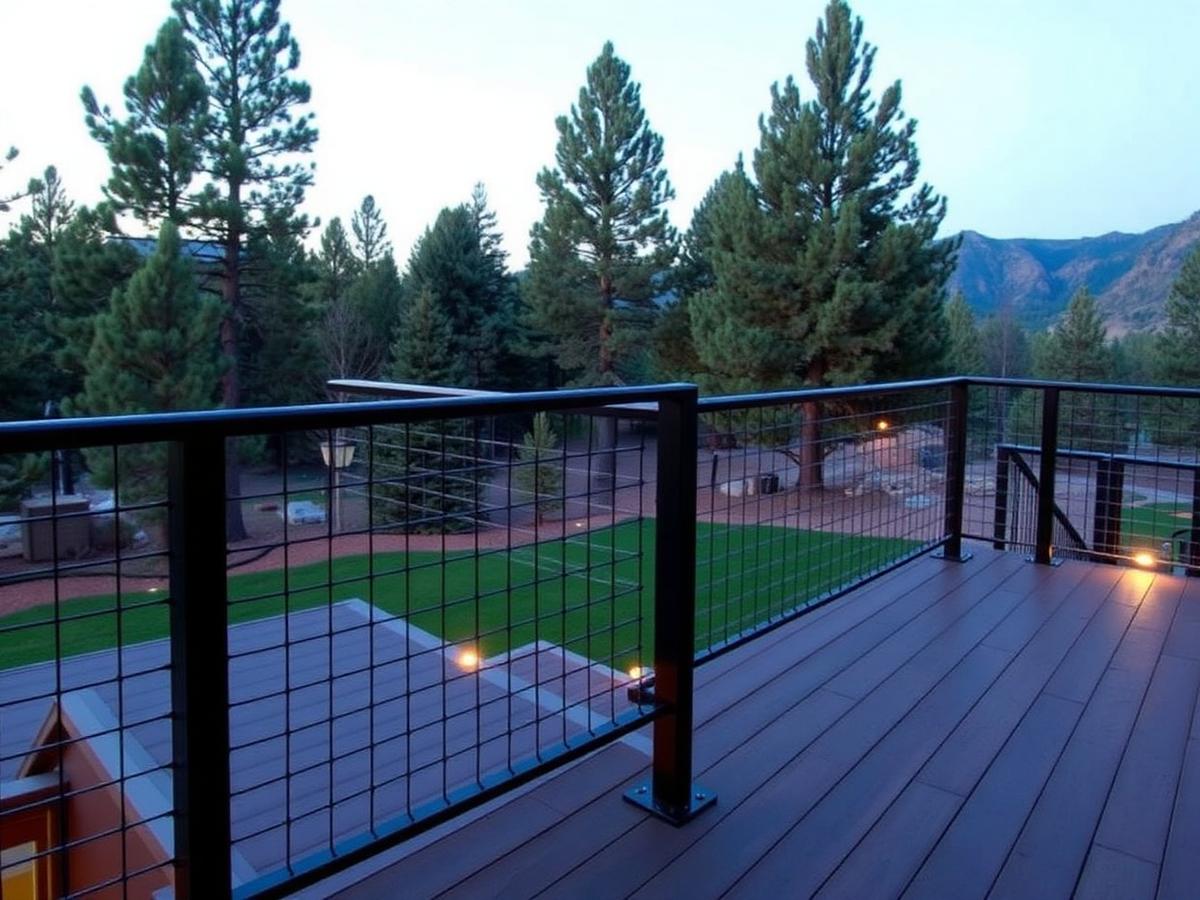
Aluminum and powder-coated steel.
Aluminum systems from Westbury, Fortress, and DekPro give you the look of wrought iron without the rust, the weight, or the maintenance.
Powder-coated finishes — bronze, black, white, and bronze patina — hold up beautifully against Colorado UV.
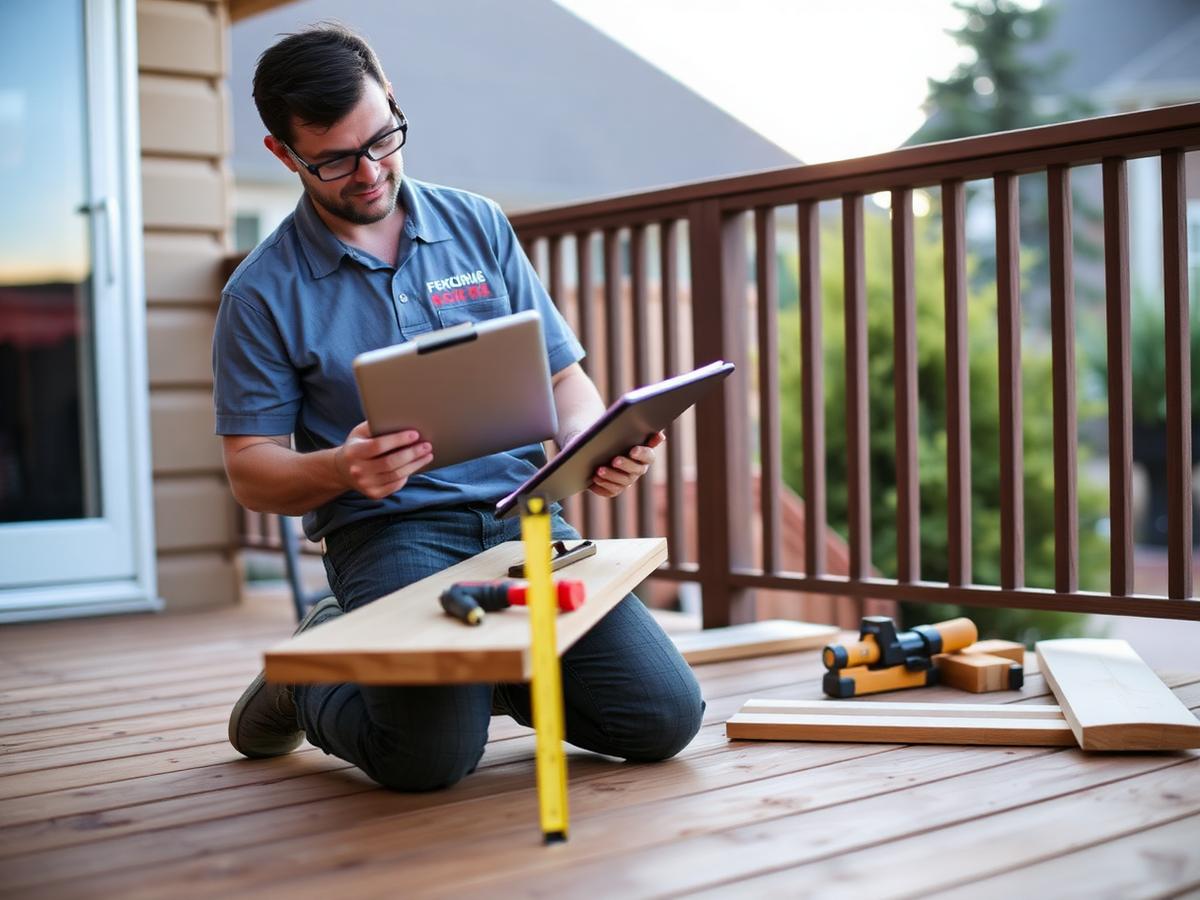
Frameless glass for unbroken views.
For homes where the view is everything, frameless tempered glass is unmatched. We install Viewrail and C.R. Laurence systems with stainless standoffs.
Glass is more involved to install correctly — it's heavy, must be tempered to the right thickness for the span, and the post connections take real engineering.
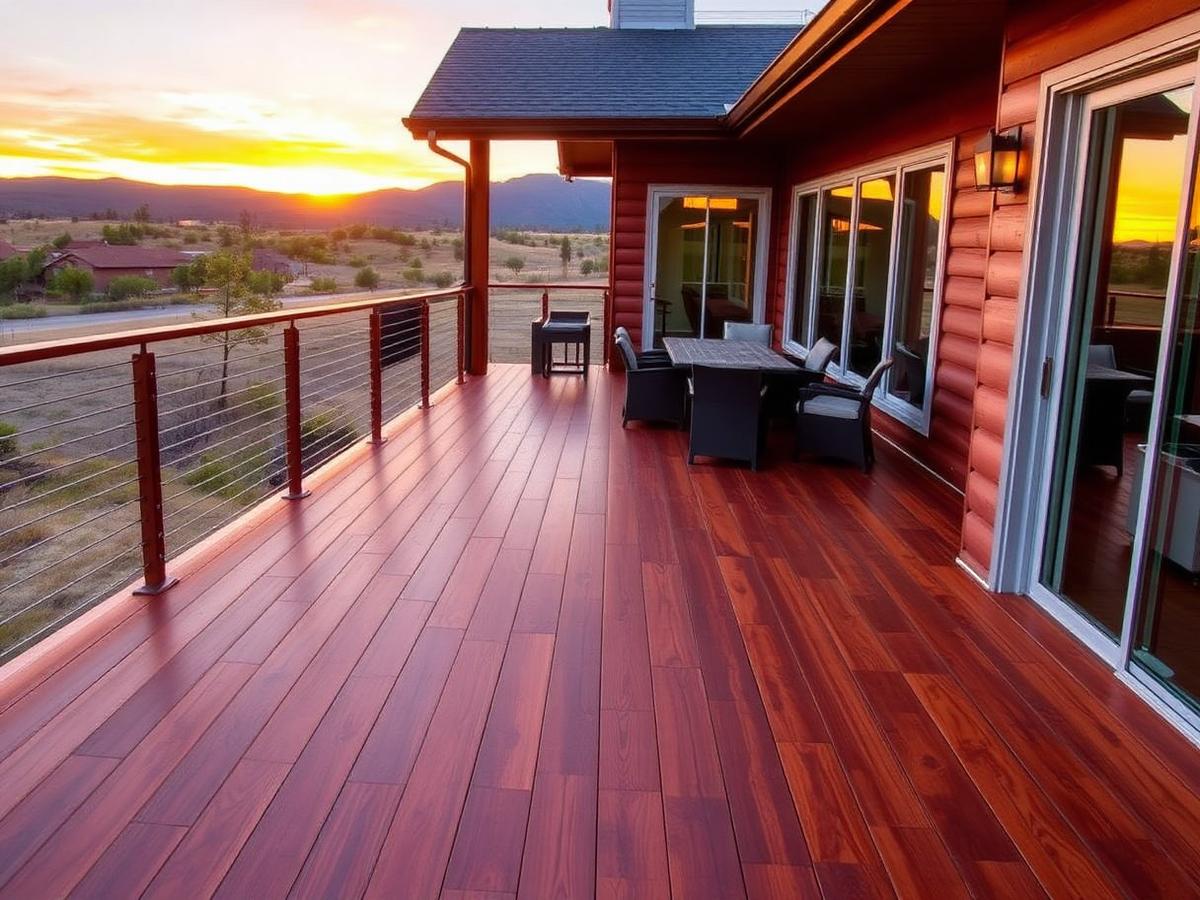
Traditional cedar and composite-cap systems.
A well-built cedar railing with composite top cap is still the right answer for many mountain-style and craftsman homes.
We use 4x4 PT posts with steel hold-down hardware, 2x6 cedar top rails, and composite caps that shed water — so the post tops don't rot.
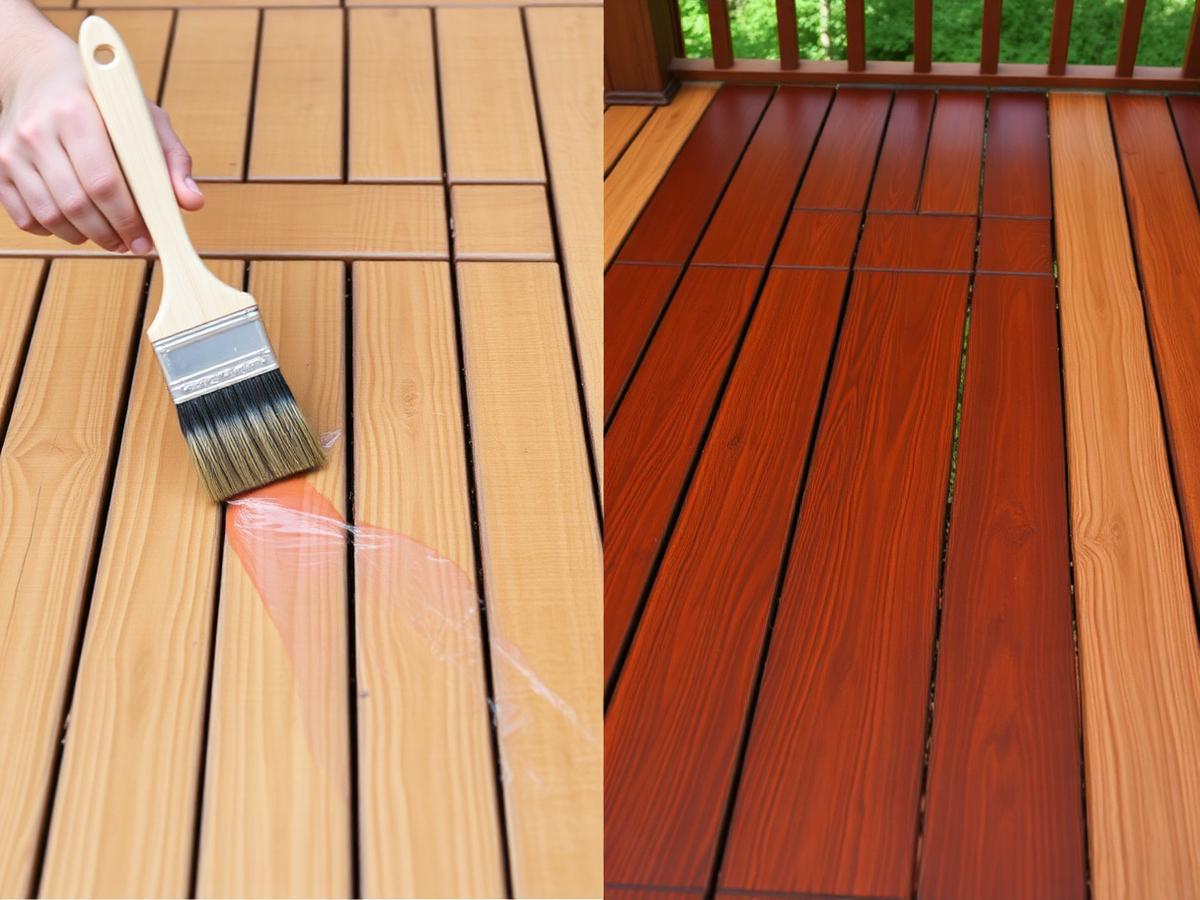
Built to current Colorado code on every job.
Top rails must be 36–42 inches above the walking surface (varies by jurisdiction). Balusters cannot allow a 4-inch sphere to pass. The whole system must resist 200 lb of force at any point.
We build to these specs on every job, even on small repairs.
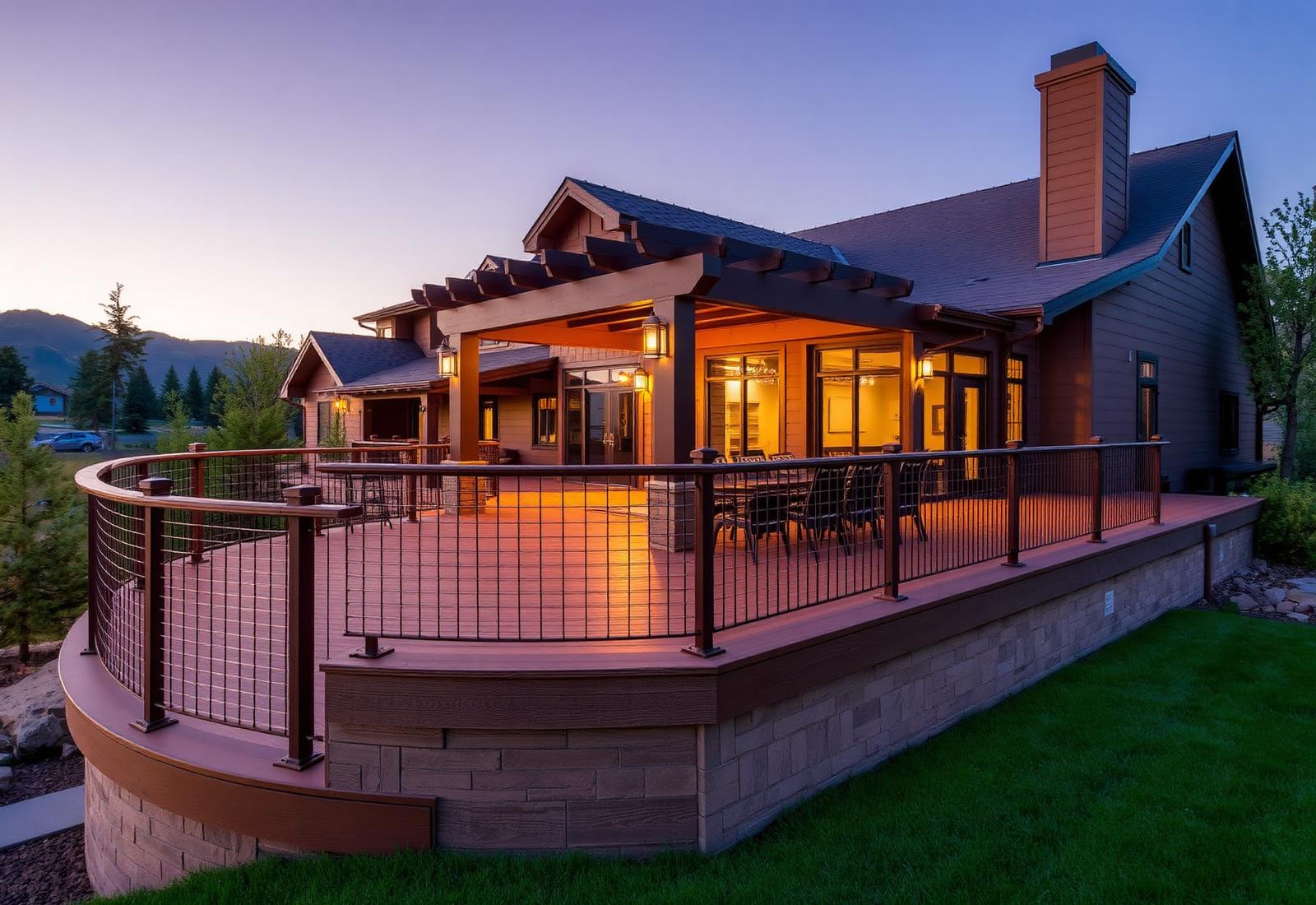
Post-cap and rail lighting wired in clean.
Low-voltage post-cap lights (Trex, Aurora, Volt) and continuous LED rail strips create a finished evening look.
We pull the wire during framing so there are zero visible runs.
What railing costs by system.
Pressure-treated wood railing: $40–$70 per linear foot installed. Aluminum: $90–$140 per linear foot. Cable: $130–$200 per linear foot. Glass: $200–$350 per linear foot.
On a typical 60-foot rail run, cable lands around $9,000–$12,000 installed.
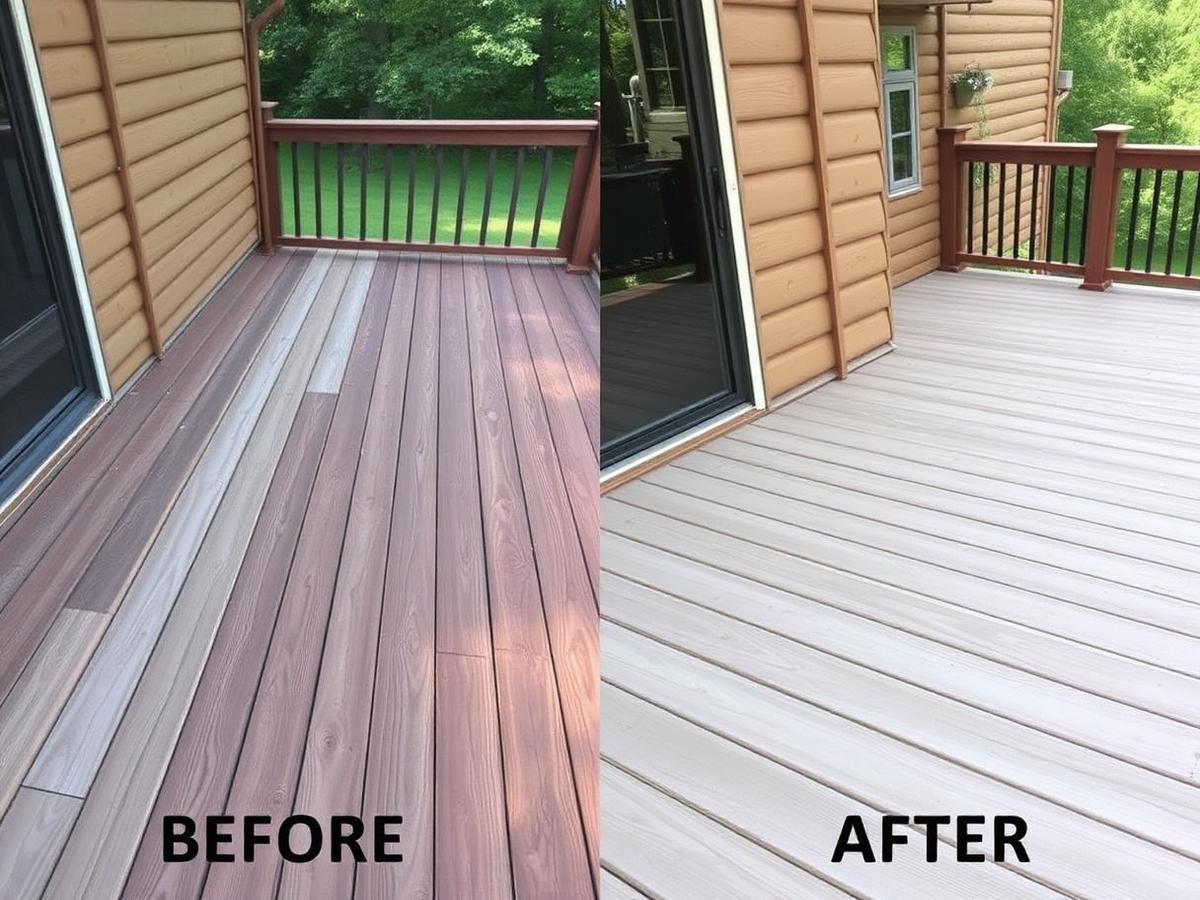
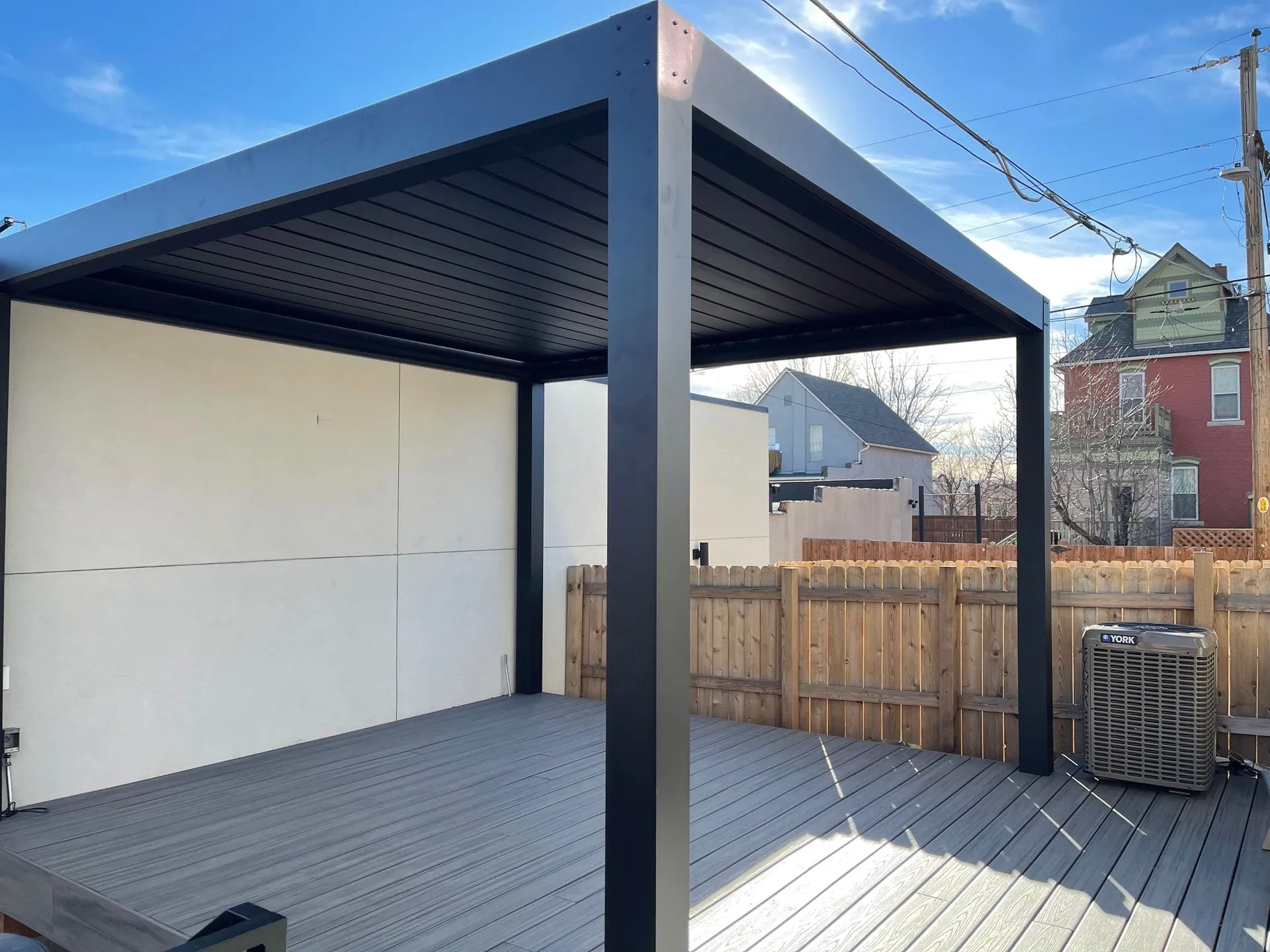
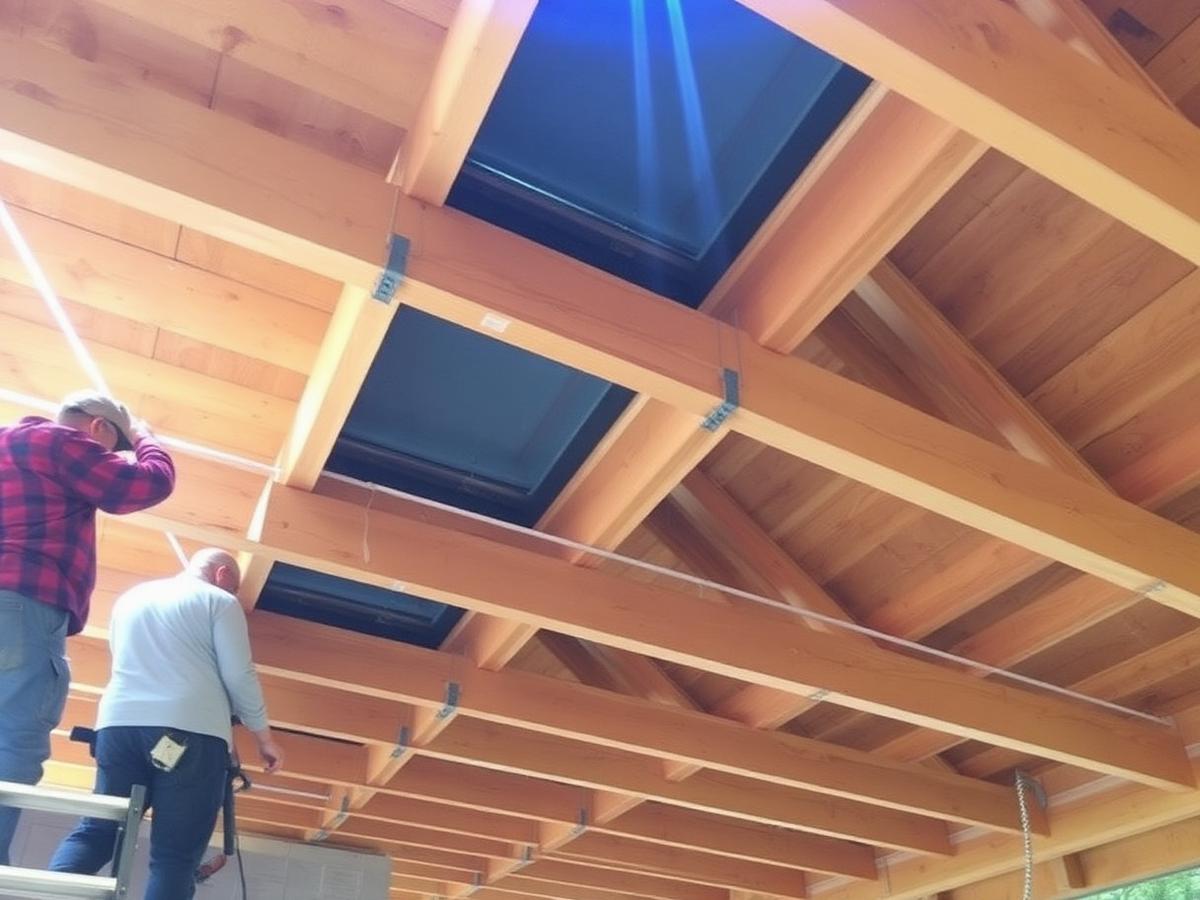
A look at the craft.
Answers before you ask.
Don't see your question? Call us or schedule a free site visit and we'll walk through it on your deck.
Do I need a permit for railing replacement?
Almost always yes if you're changing the system or replacing posts. We handle it.
Can you add cable to my existing wood posts?
Sometimes — the posts have to be the right size and rock-solid. We'll inspect and tell you honestly.
How long does cable railing take to install?
A typical 60-foot run is 2–3 days on site once material arrives.
Often built together.
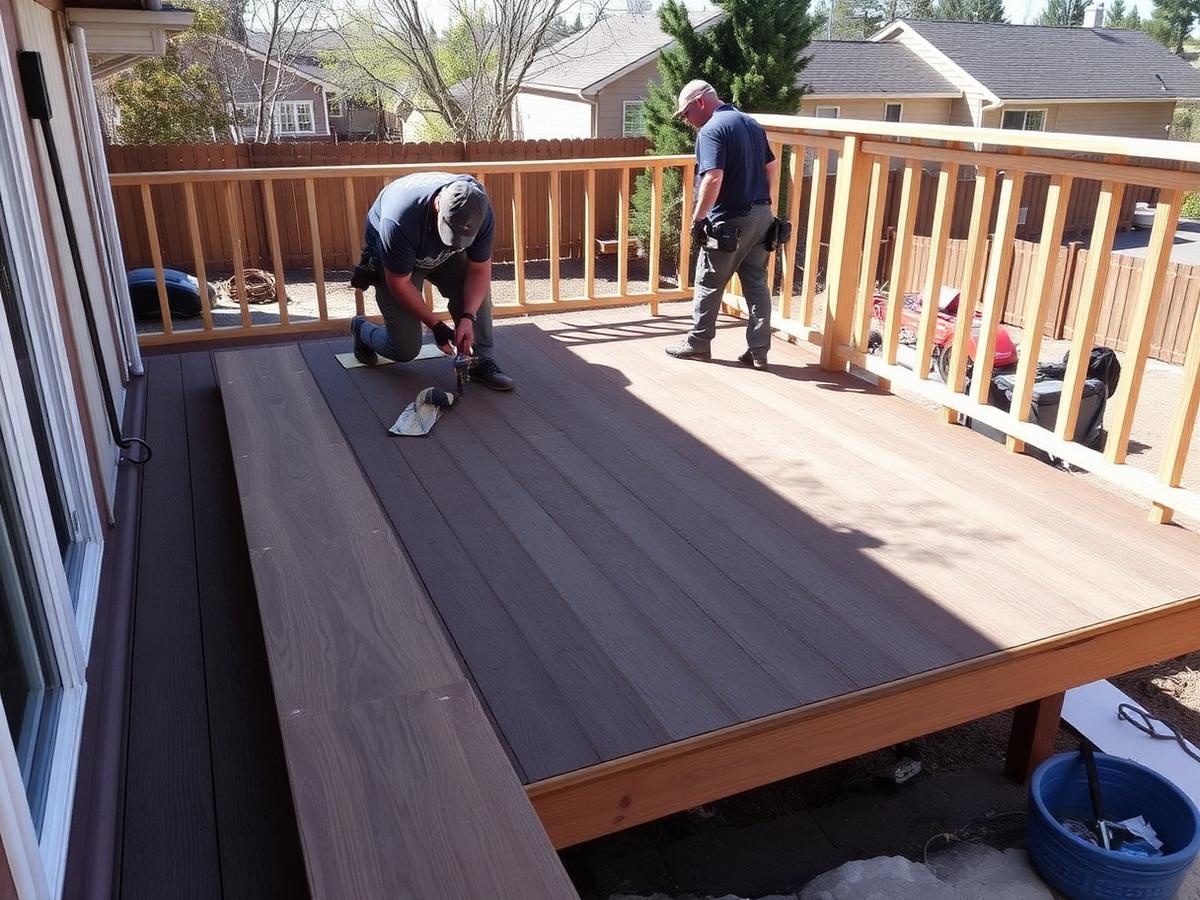
Deck Repair
Structural fixes, board replacement, and full-system rebuilds — done right the first time.
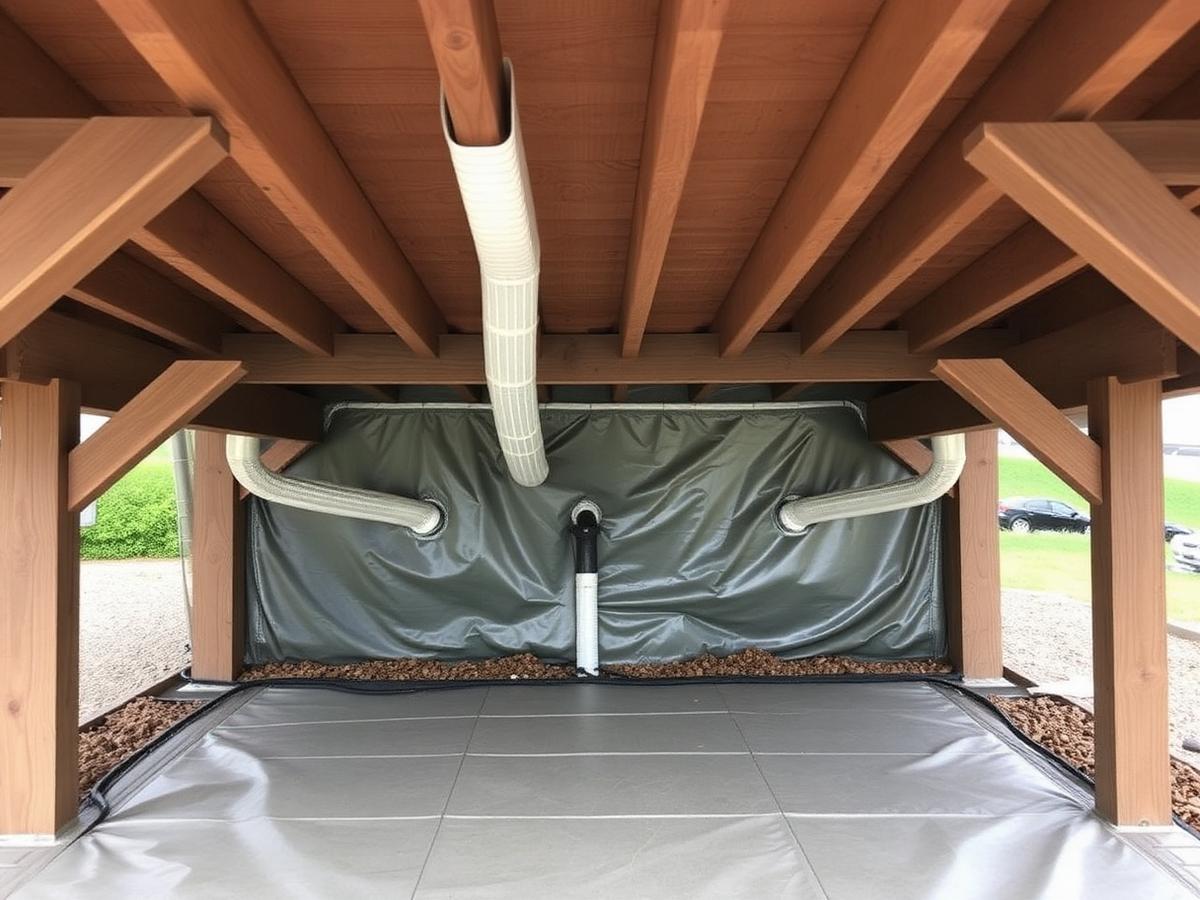
Custom Design & Build
Multi-level layouts, built-in seating, integrated lighting and shade — drawn, engineered, and built by one team.
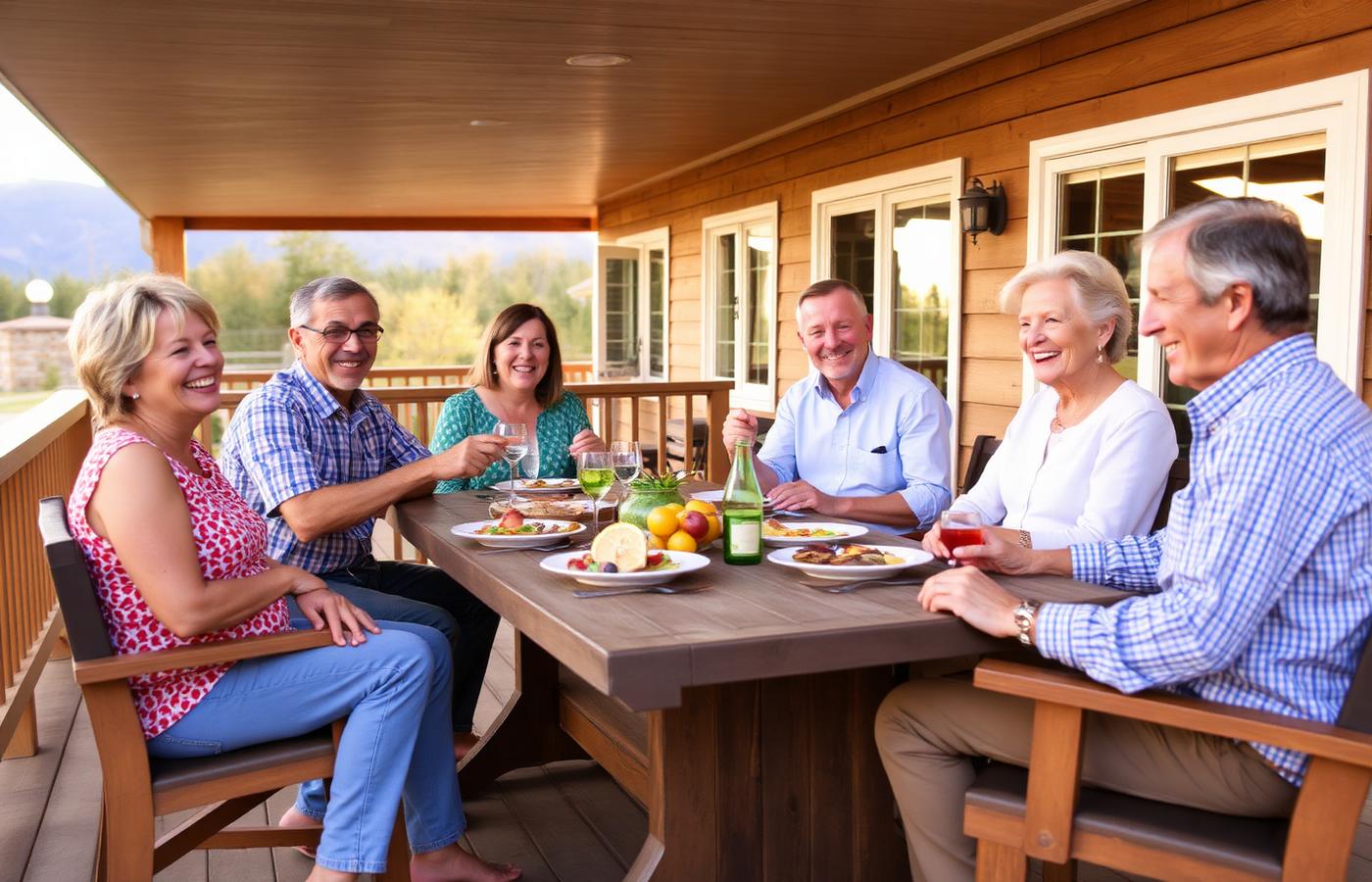
Composite Decking
Trex, TimberTech, and Fiberon installed by Colorado's longest-running composite specialist.
Ready to make your deck safe again?
No pressure. No upsell BS. Just an honest look at your deck and what — if anything — it needs.
Monday–Friday, 8:00 AM – 5:00 PM
For emergencies, call any time and leave a message.
Pick your own date and time
We'll confirm within one business day and show up when we said we would.
Because your backyard deserves nothing less than the best.