
Know what's actually holding your deck together.
A plain-language guide to ledgers, joists, beams, posts, footings, hangers, and fasteners.
If you understand the parts of your deck, you'll know when a contractor is cutting corners. Here's the field guide.
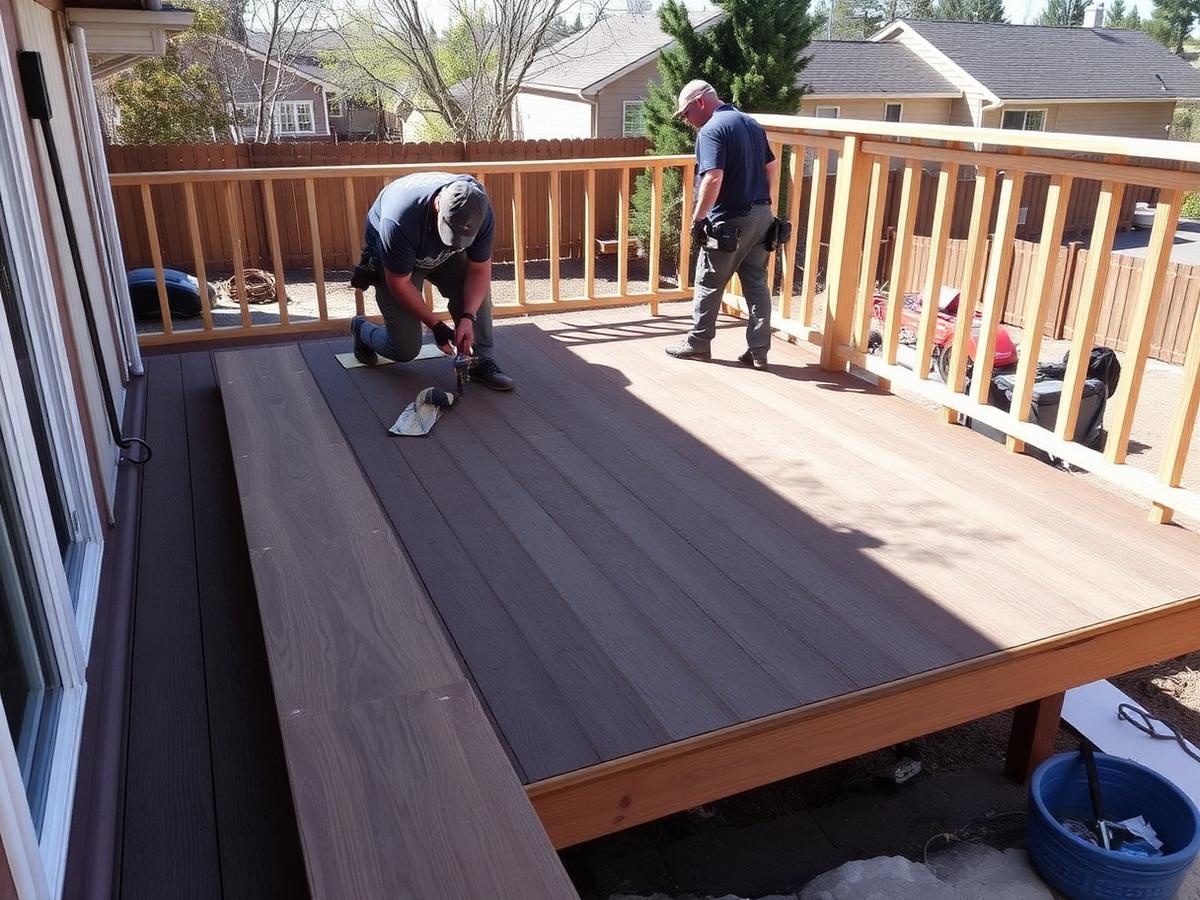
The single most important board on your deck.
The ledger is the board bolted to your house that supports one entire side of the deck. When ledgers fail, decks collapse straight down — and a lot of people have died this way.
A correct ledger uses through-bolts or structural lag screws (not common nails), has continuous flashing above and behind it, and is fastened into the rim joist of the house — not into siding or sheathing.
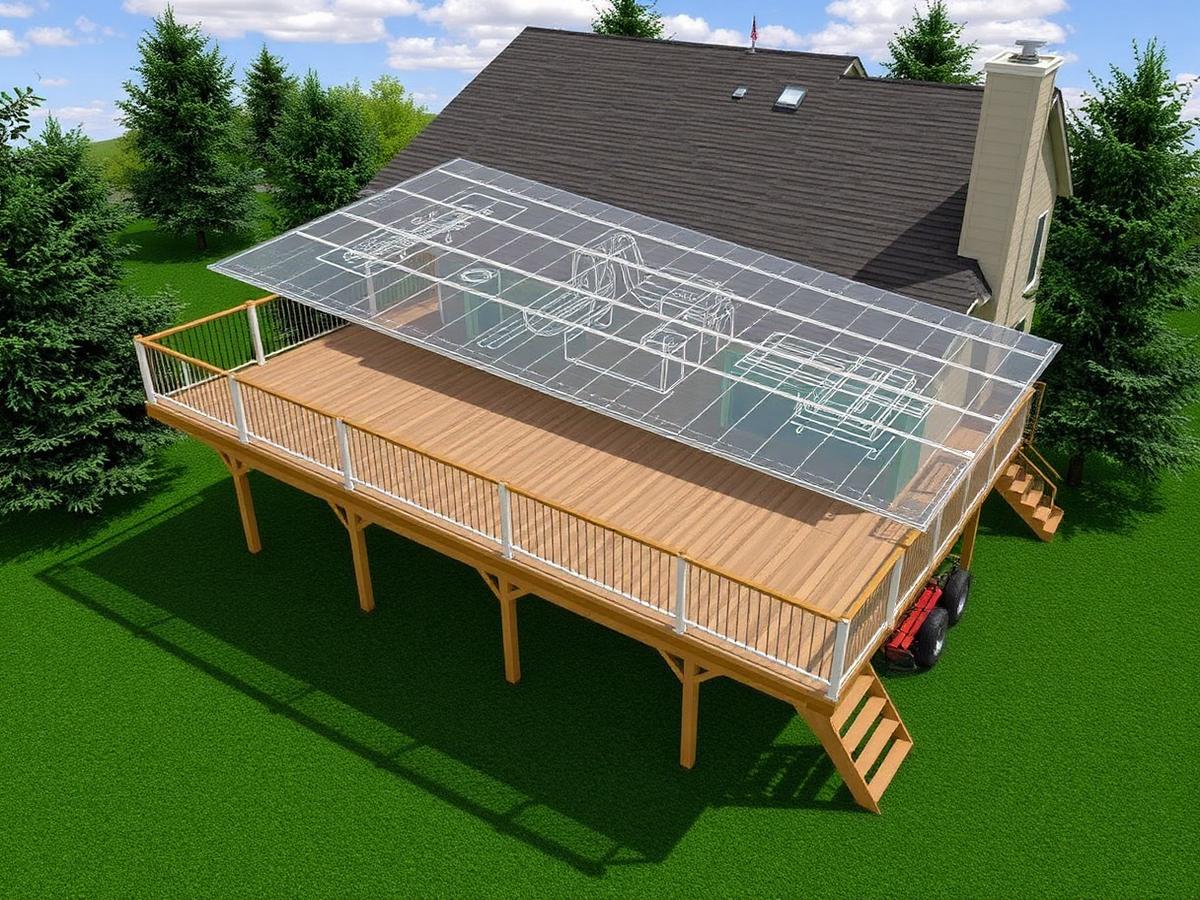
The framing that carries everything else.
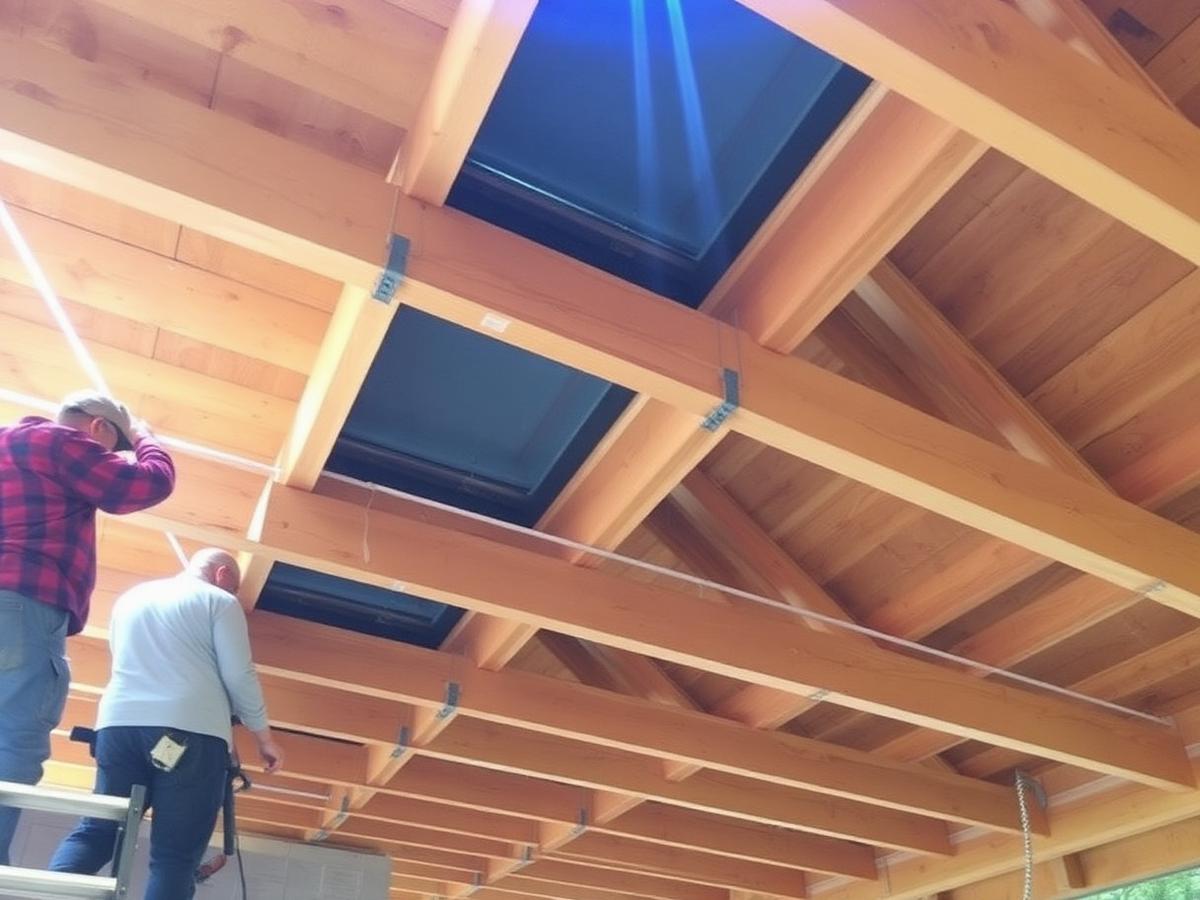
Joists run perpendicular to the house — usually 2x8, 2x10, or 2x12 lumber, spaced 12 or 16 inches on center. Beams run parallel to the house and carry the outer end of the joists, sitting on top of posts.
Sizing depends on span and load. A 12-foot joist span carrying a 40 PSF live load needs at minimum a 2x10 in #2 SYP at 16 OC. Cheating these numbers is the most common Colorado code violation we see.
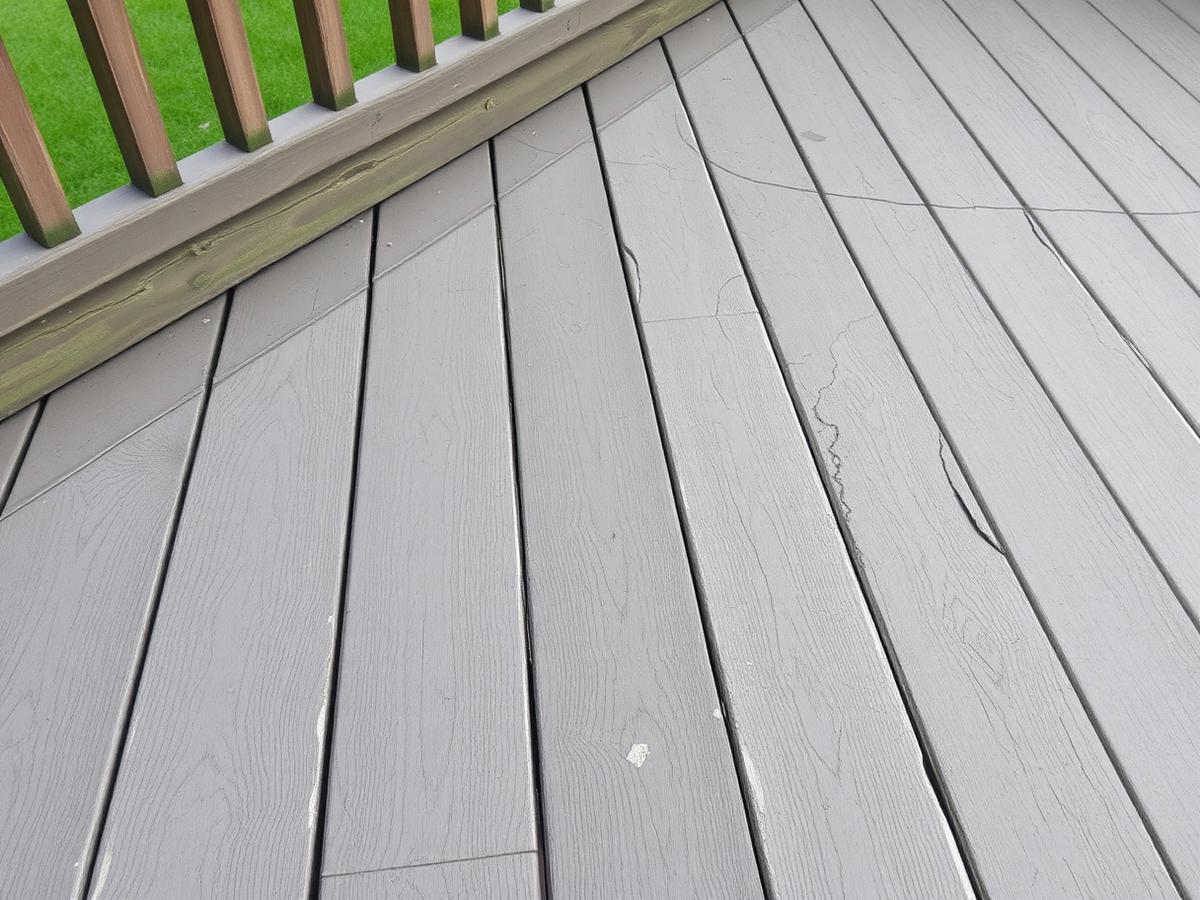
What the whole deck stands on.
Posts (usually 6x6 PT lumber, sometimes steel) carry the beam load down to footings. Footings are concrete piers below the frost line — 36 inches in most of the Front Range, deeper in the foothills.
Heaved footings from shallow pours are the #1 reason older Colorado decks are out of level. Done right, footings should not move in 50 years.
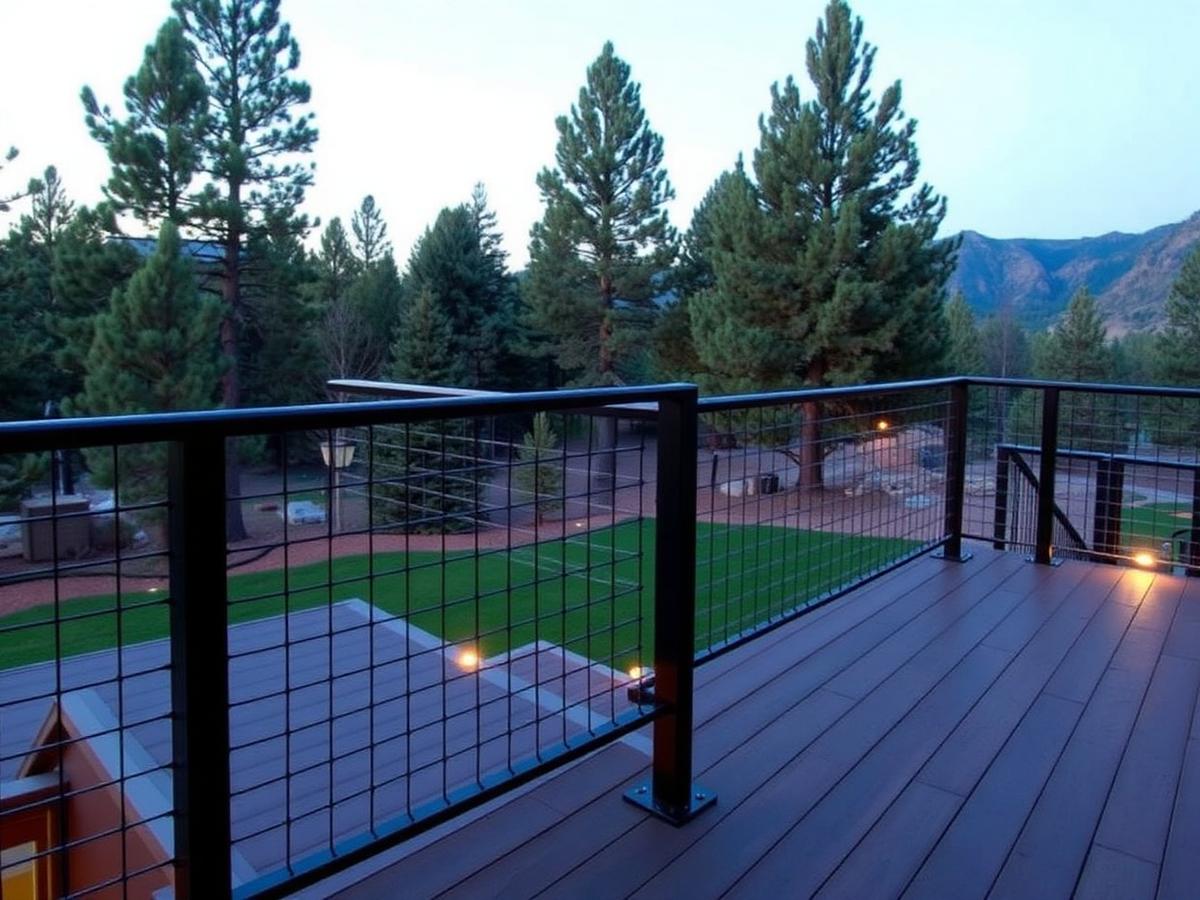
Where the math becomes hardware.
Joist hangers are the steel brackets that hold joists to ledgers and beams. They have rated load capacities, and they only achieve those ratings when fastened with the correct hanger nails or screws.
We use Simpson Strong-Tie ZMAX or stainless connectors with Simpson SDS structural screws or the rated hanger nails — never drywall screws, deck screws, or framing nails as substitutes.
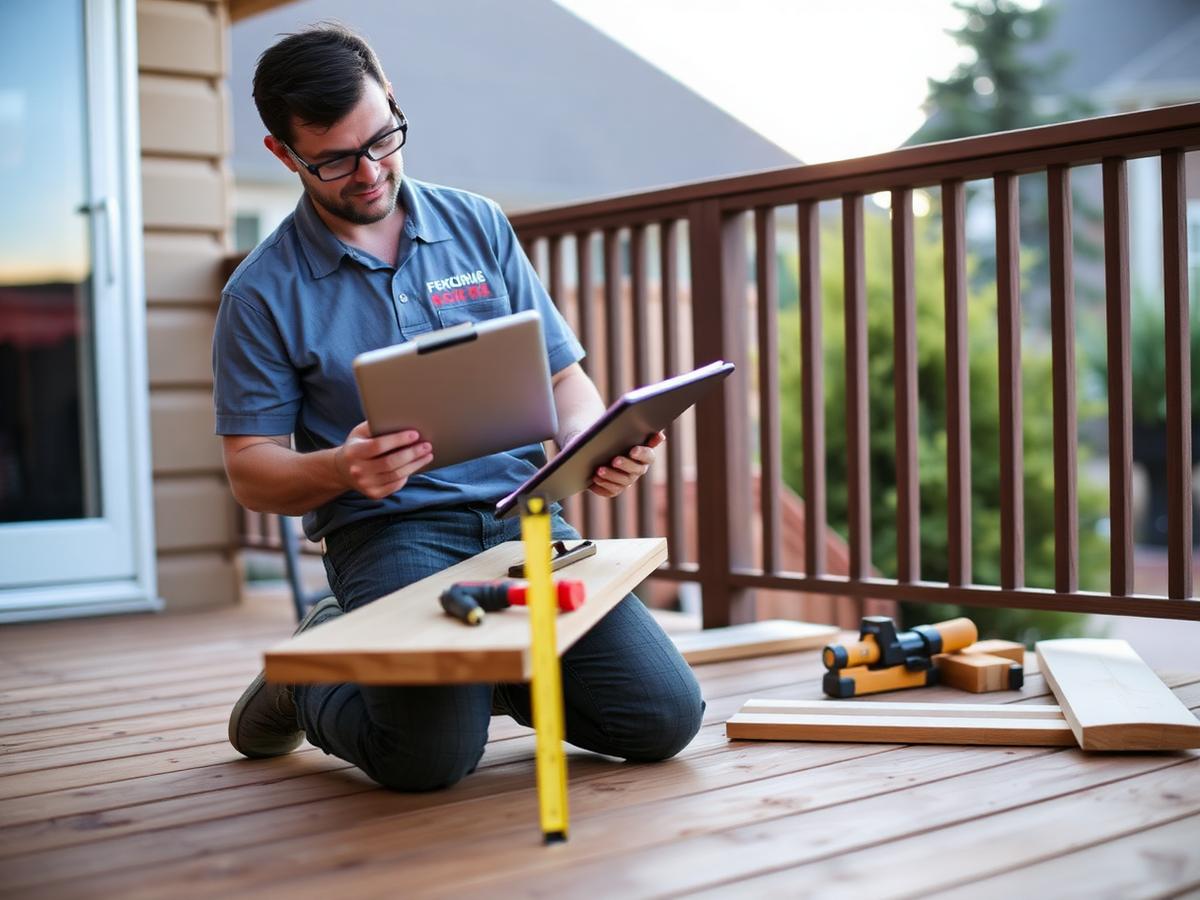
Screws, bolts, and nails — and why it matters.
Modern pressure-treated lumber (ACQ chemistry) is highly corrosive to bright basic fasteners. The minimum acceptable rating is hot-dipped galvanized; stainless is the gold standard.
If you see rust streaks running down your posts or hangers within five years of install, you have the wrong fasteners and they're failing.
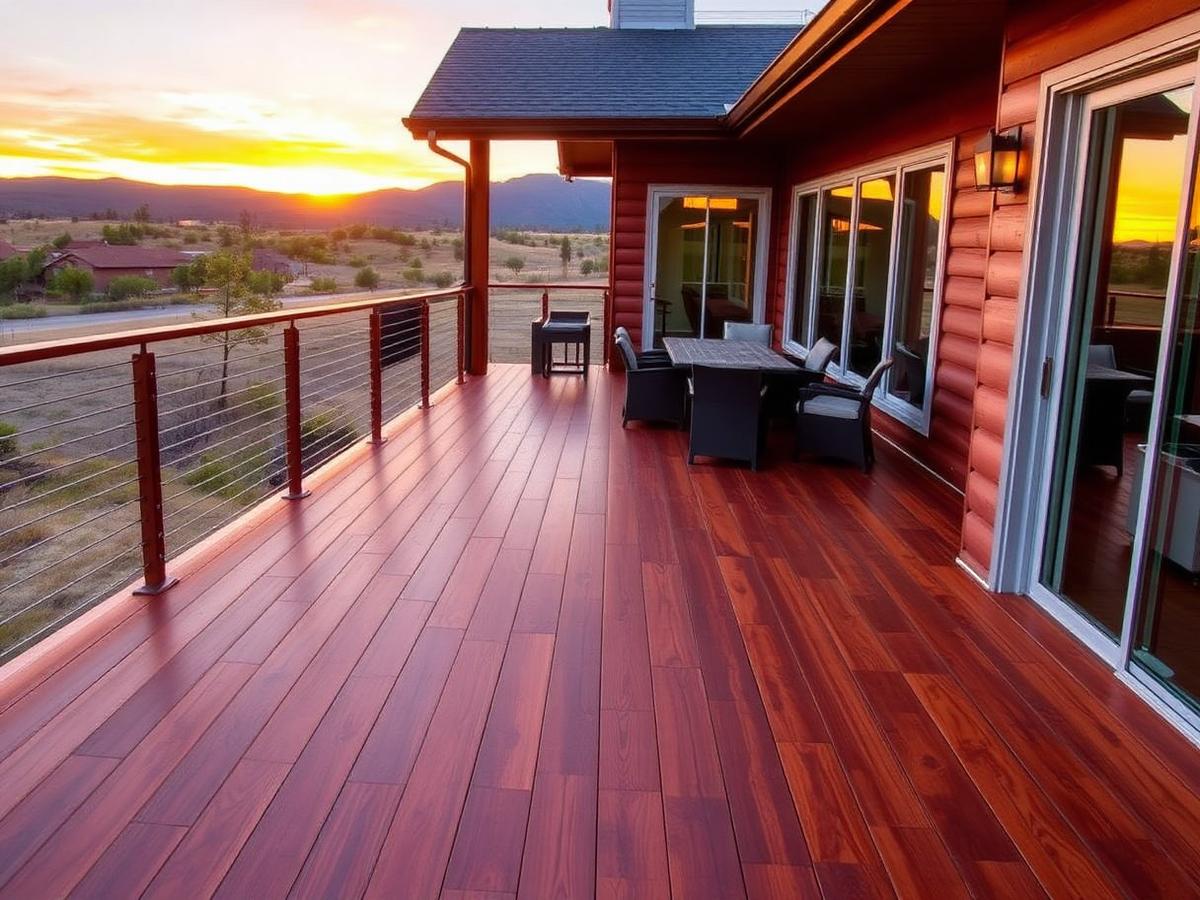
What you actually walk on.
The horizontal boards on top — wood, composite, PVC, or hardwood. This is the part most people think of as 'the deck' but it's actually the easiest piece to replace.
Most modern decking is fastened with hidden clip systems for a clean look and to avoid creating water-traps around screw heads.
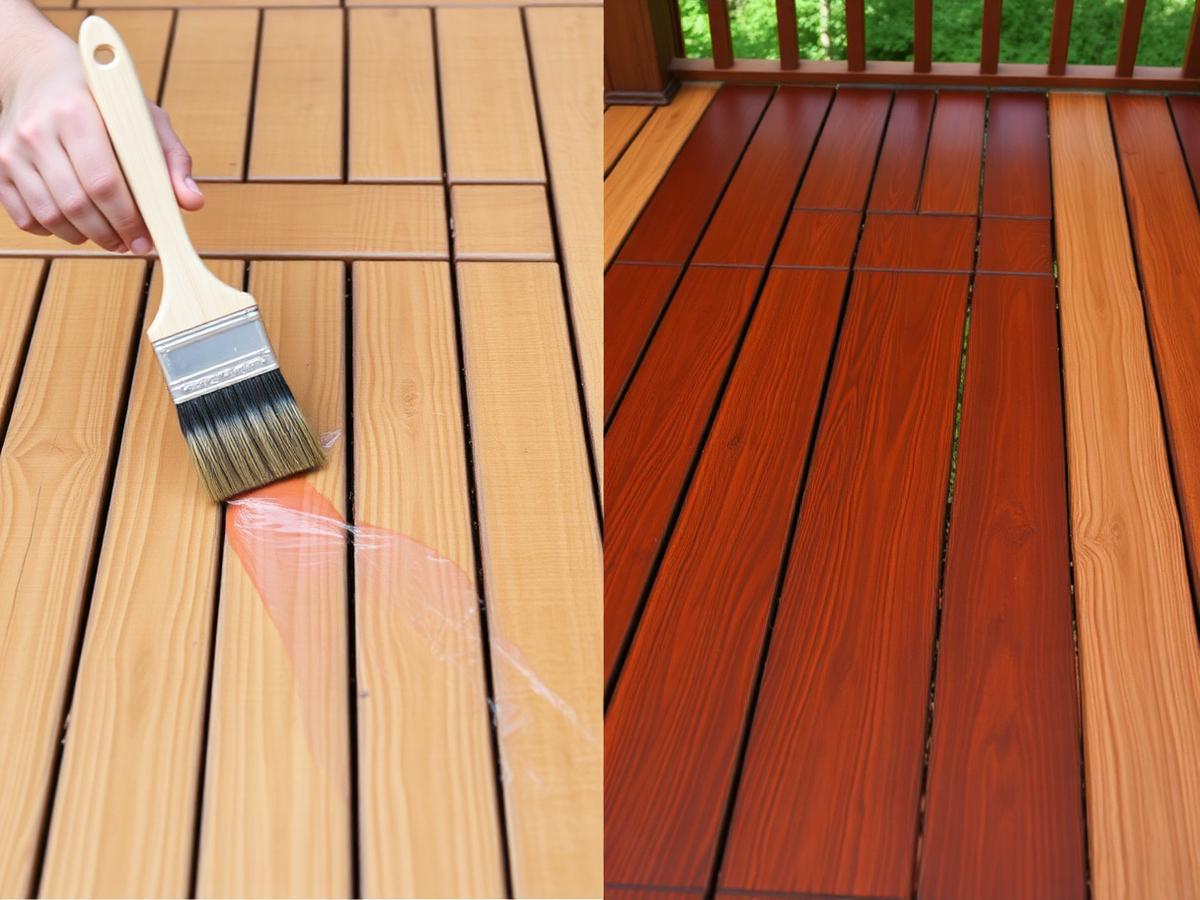
Posts, top rail, balusters, infill.
A code-compliant railing has posts solidly attached to the rim joist (not just bolted into decking), a top rail at the right height, and infill — balusters, cable, glass, or panels — that won't pass a 4-inch sphere.
Wobbly railings are nearly always a post-attachment issue, not a baluster issue.
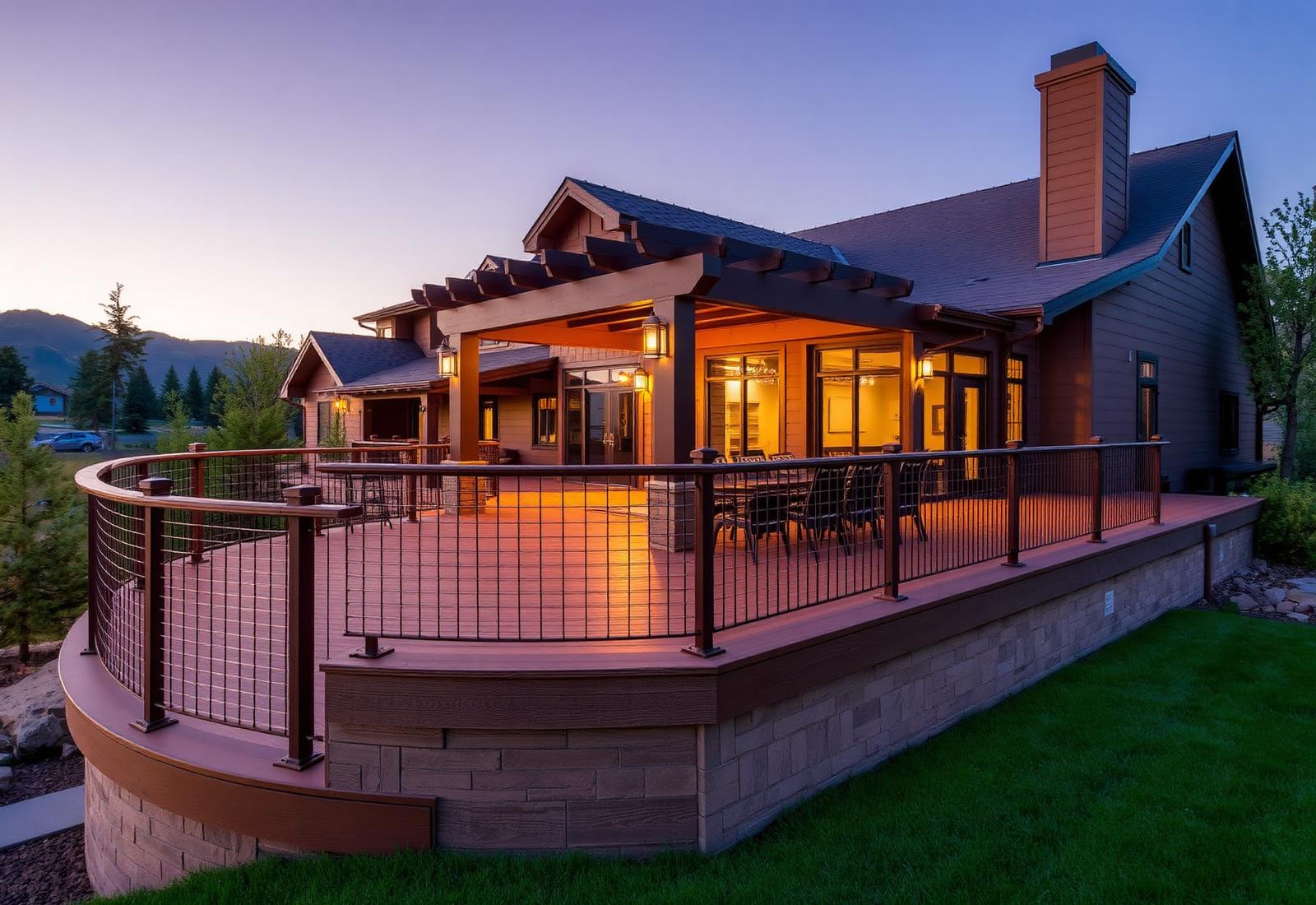
The invisible details that decide deck lifespan.
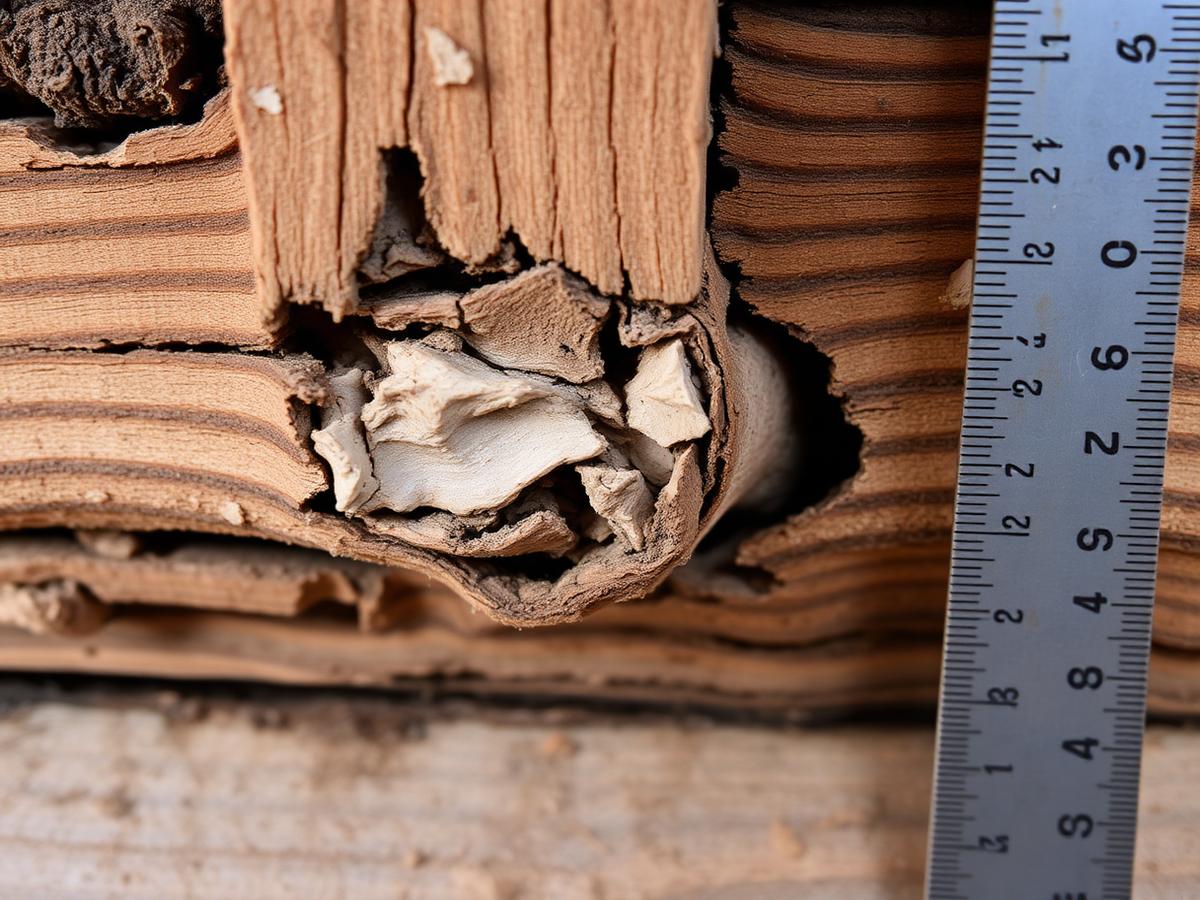
Ledger flashing, post-cap flashing, and proper grading under the deck control water — and water is what kills decks. Done right these details add 15–20 years of life.
Done wrong, you can have a brand-new deck rotting at the ledger inside three years.
Stringers, treads, and risers — built to code.
Stair treads must be at least 10 inches deep with risers between 4–7 inches, consistent within ±3/8 inch. Stringers must be sized for the rise.
Inconsistent stair rise is the most common code failure — and the most common fall hazard.
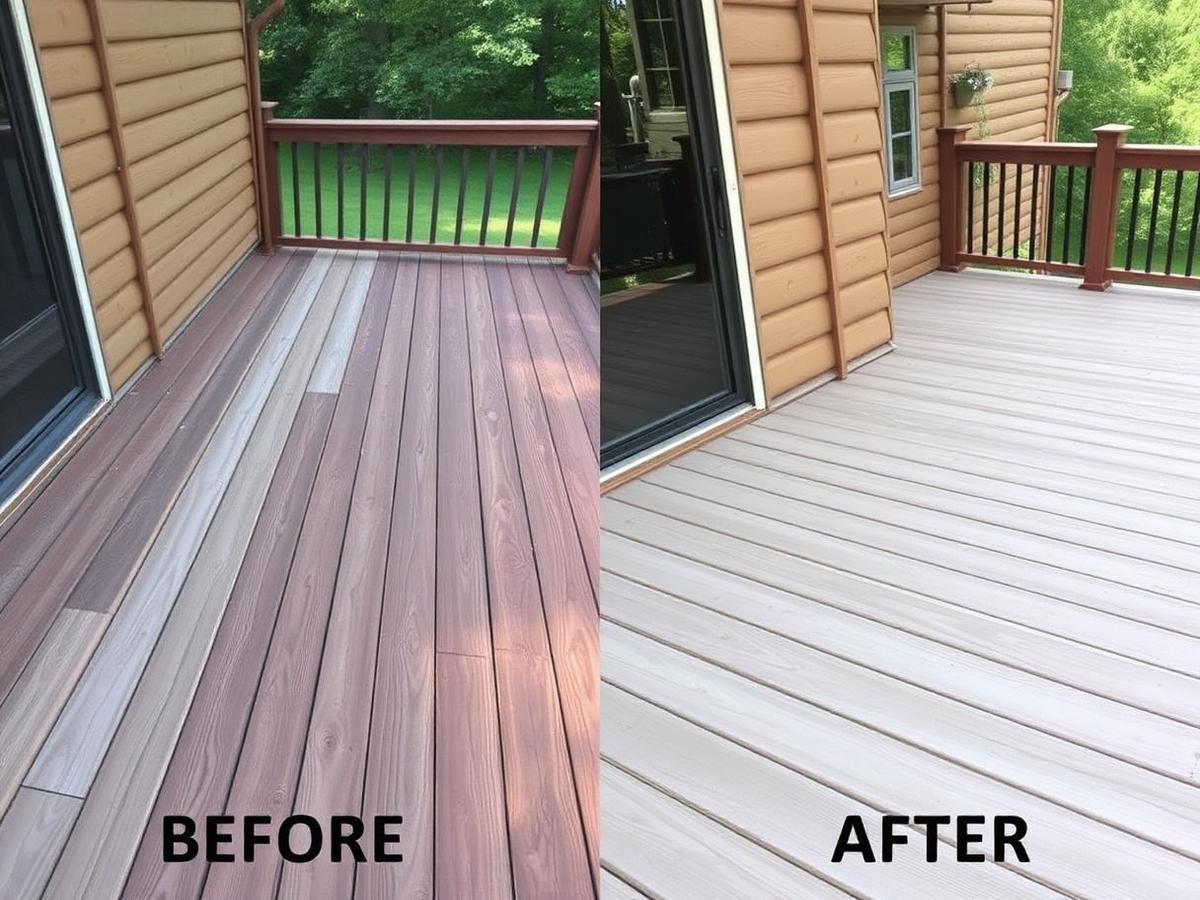
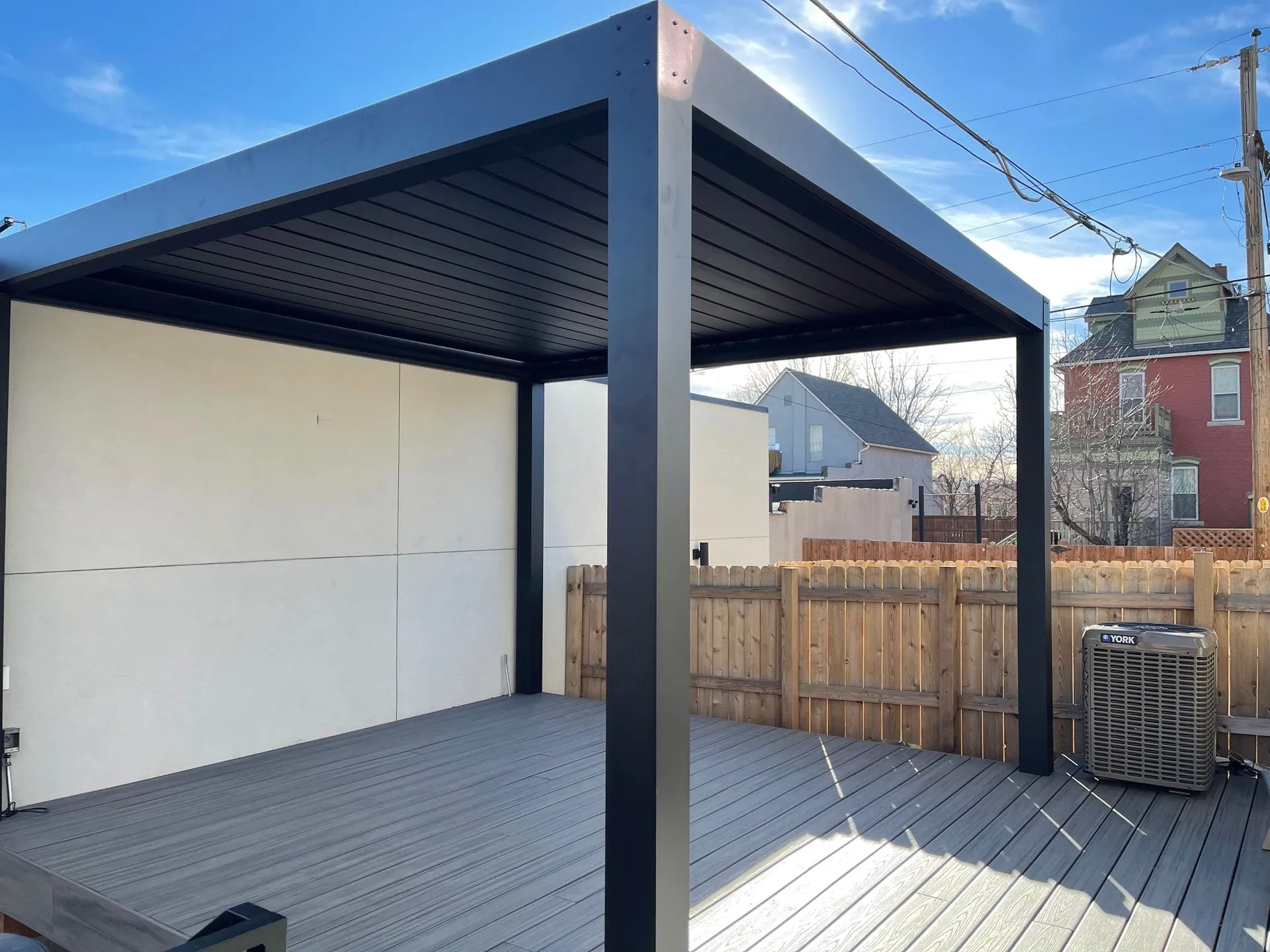
A look at the craft.
Answers before you ask.
Don't see your question? Call us or schedule a free site visit and we'll walk through it on your deck.
How do I know if my ledger is failing?
Look for rust streaks, gaps pulling away from the house, or water damage on the siding above. Any of those means call us.
Should I be worried about my deck's age?
Most decks built before 2010 in Colorado have at least one item we'd want to evaluate. Free assessments are exactly this.
Is this a real DIY project?
Decking surface replacement, yes. Structural work, no — the liability and code complexity isn't worth it.
Often built together.
Deck Repair
Structural fixes, board replacement, and full-system rebuilds — done right the first time.

Custom Design & Build
Multi-level layouts, built-in seating, integrated lighting and shade — drawn, engineered, and built by one team.
Composite Decking
Trex, TimberTech, and Fiberon installed by Colorado's longest-running composite specialist.
Ready to make your deck safe again?
No pressure. No upsell BS. Just an honest look at your deck and what — if anything — it needs.
Monday–Friday, 8:00 AM – 5:00 PM
For emergencies, call any time and leave a message.
Pick your own date and time
We'll confirm within one business day and show up when we said we would.
Because your backyard deserves nothing less than the best.